

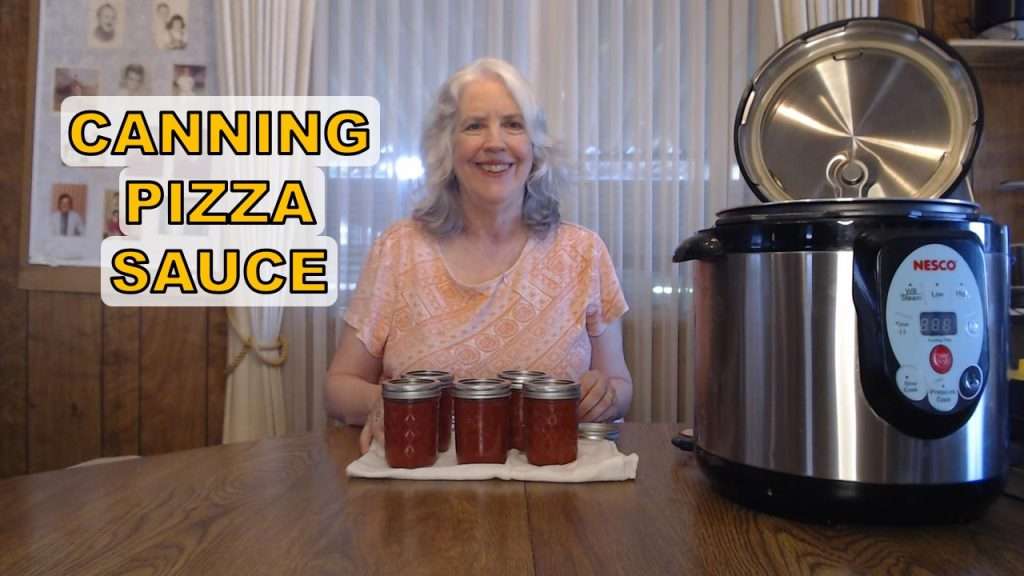
If you’re interested in canning pizza sauce, you’re in the right place. In fact, if you’re looking for a simple yet delicious pizza sauce recipe to add to your canning repertoire, this one is perfect for you!
Whether you’re a beginner canner or someone who enjoys quick and easy recipes, this pizza sauce is a must-try.
This article includes affiliate links.

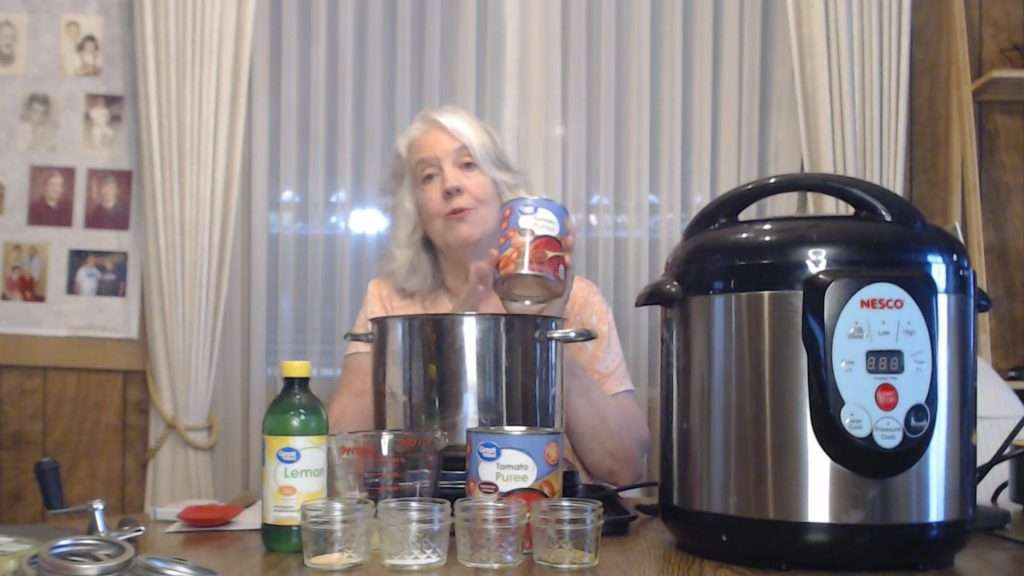
By using canned tomato puree, you can skip the time-consuming process of cooking and peeling fresh tomatoes. Not only does this save time, starting with canned tomato puree is super affordable compared to buying fresh tomatoes at the grocery store or farmer’s market.
Let’s dive into the steps to create this flavorful home-canned pizza sauce.
Ingredients
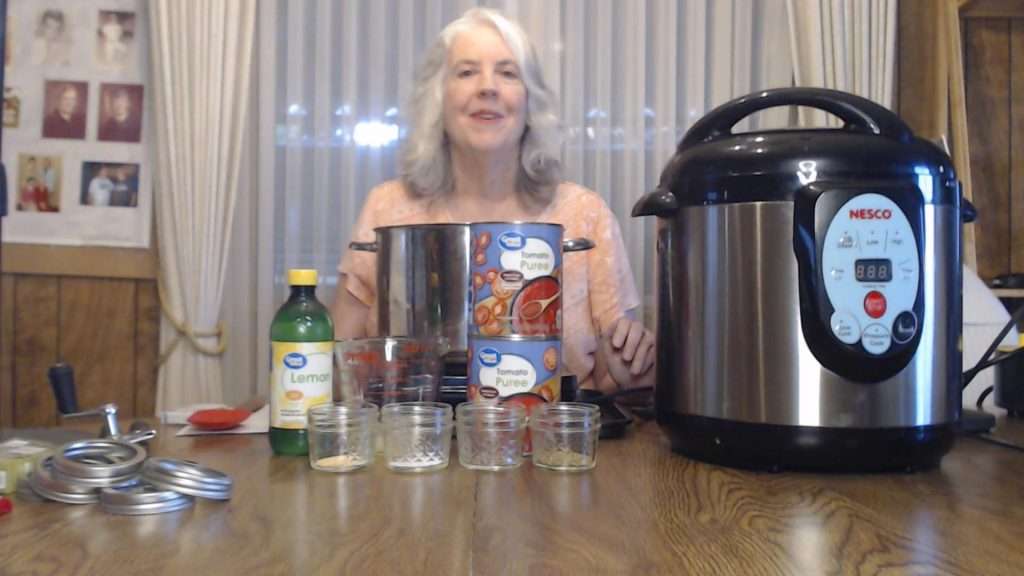
Here’s what you’ll need to make this easy pizza sauce:
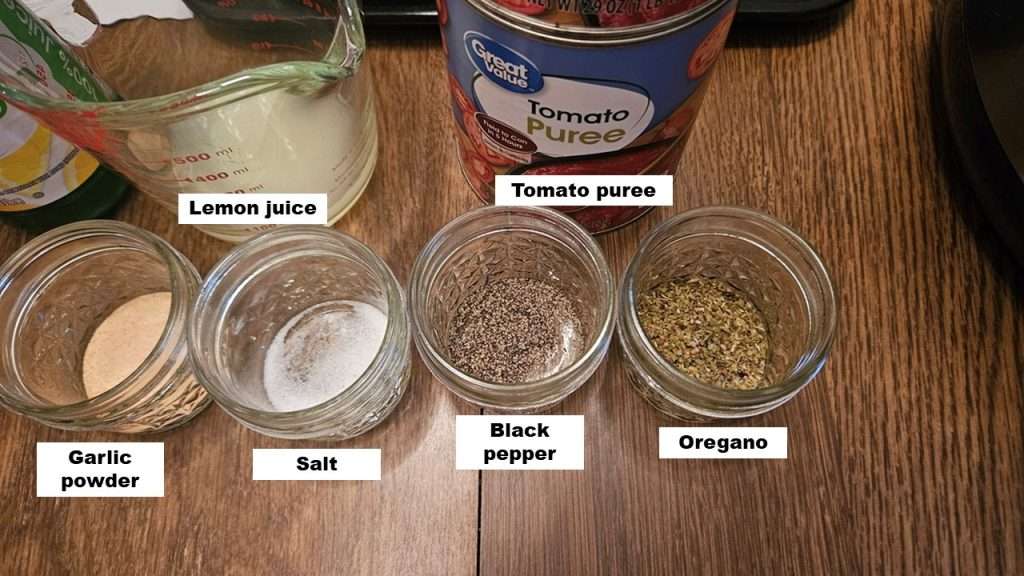
- 6 1/2 cups of canned tomato puree (two 29 oz cans)
- 1/4 cup of bottled lemon juice
- 1 teaspoon of dried oregano
- 1/2 teaspoon of freshly ground black pepper
- 1/2 teaspoon of salt
- 1/2 teaspoon of garlic powder
Canning Pizza Sauce Step-by-Step
The beauty of this recipe is in its simplicity. Since it calls for canned tomato puree, there’s no need to peel the tomatoes, or run the tomatoes through a food mill to remove the seeds.
In addition to that, you won’t need to simmer the sauce for hours to thicken it.
Here are the simple steps to making and canning this easy, delicious pizza sauce.
Combine the Ingredients
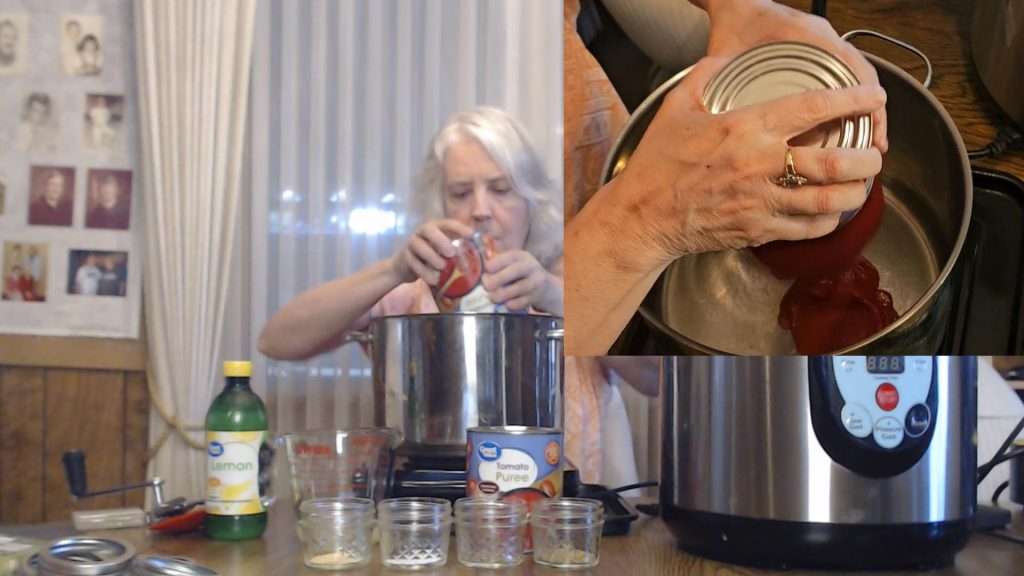
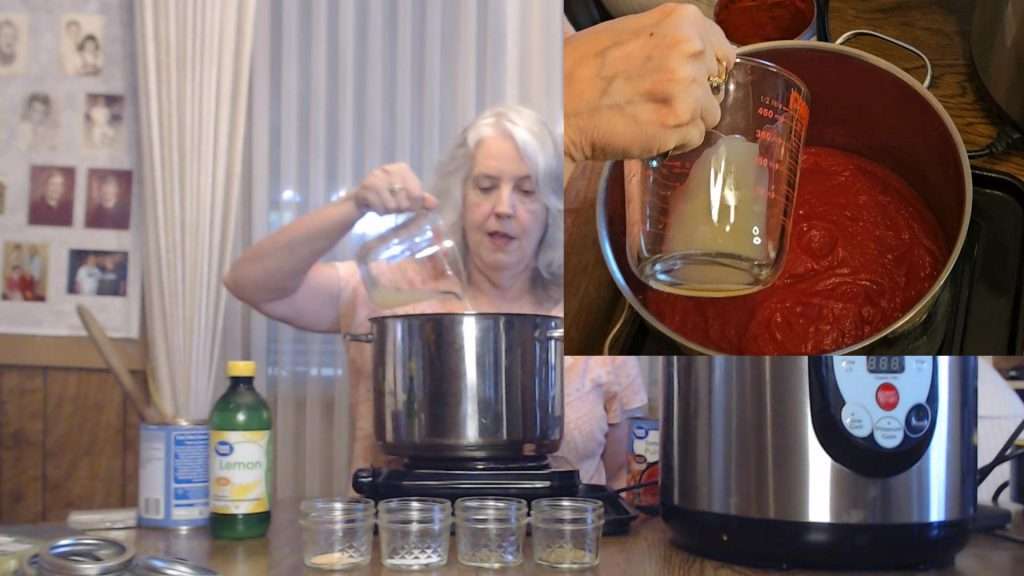
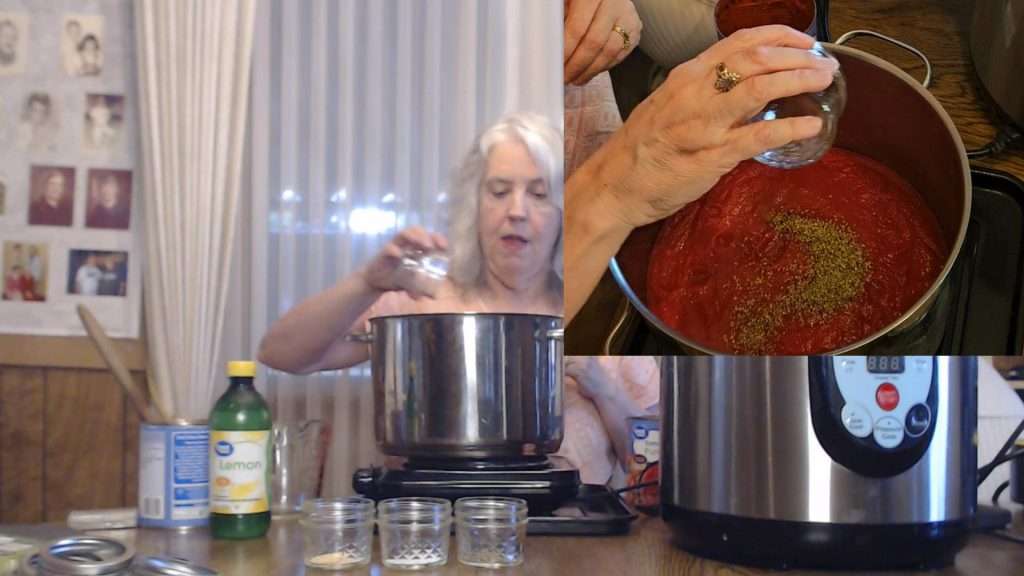
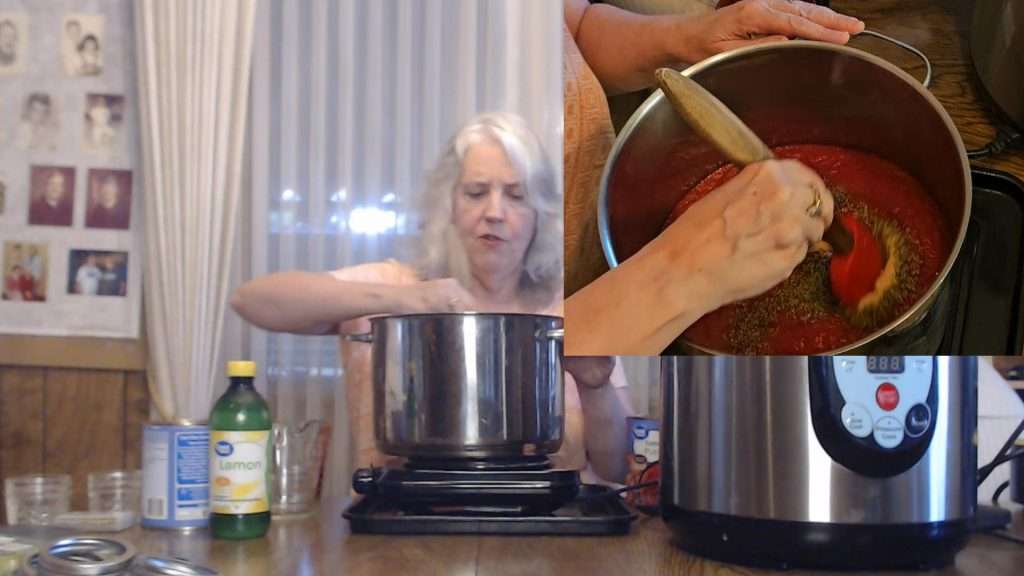
Pour the tomato puree into a large pot. Add the lemon juice, oregano, black pepper, salt, and garlic powder. Stir to thoroughly combine the ingredients.
Simmer the Pizza Sauce
Over medium high heat, bring the pizza sauce mixture up to a boil. Reduce the heat and simmer for about 10 minutes. You don’t need to be super precise here. The main thing is to heat the sauce all the way through. Stir occasionally to keep the sauce from scorching.
Wish your canning was more organized? This practical guide + printable toolkit will transform the way you stock your pantry.
👉 See the book on AmazonCheck the pH Level
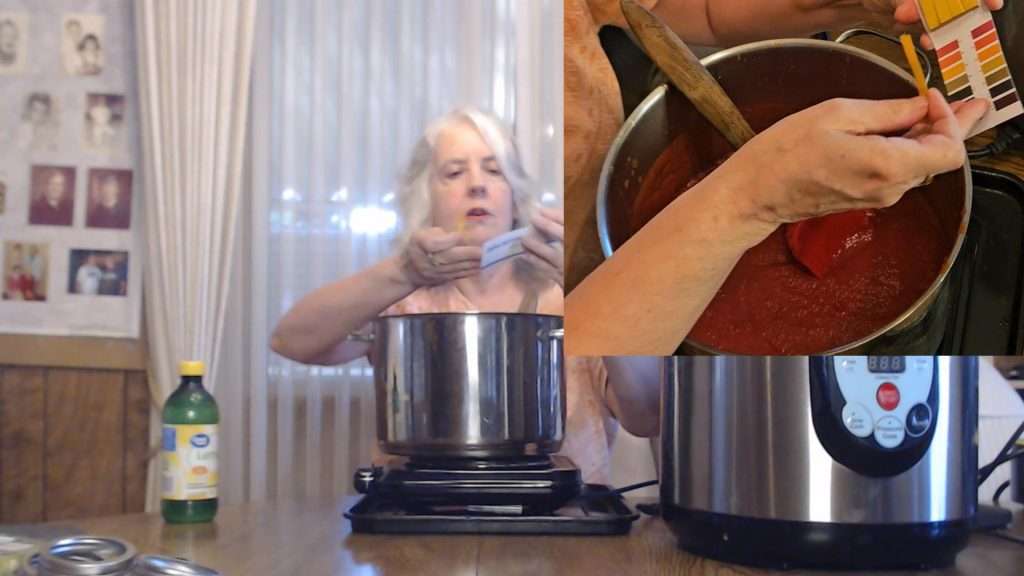
I’m basing this canning recipe on a Ball canning recipe that was created for the Ball Jam and Jelly maker. That recipe calls for fresh tomato puree, which would be much thinner.
Since I tweaked the original recipe by using canned tomato puree instead of fresh, it’s important to check the acidity. Use pH strips to ensure the sauce is at the proper acid level for safe canning.
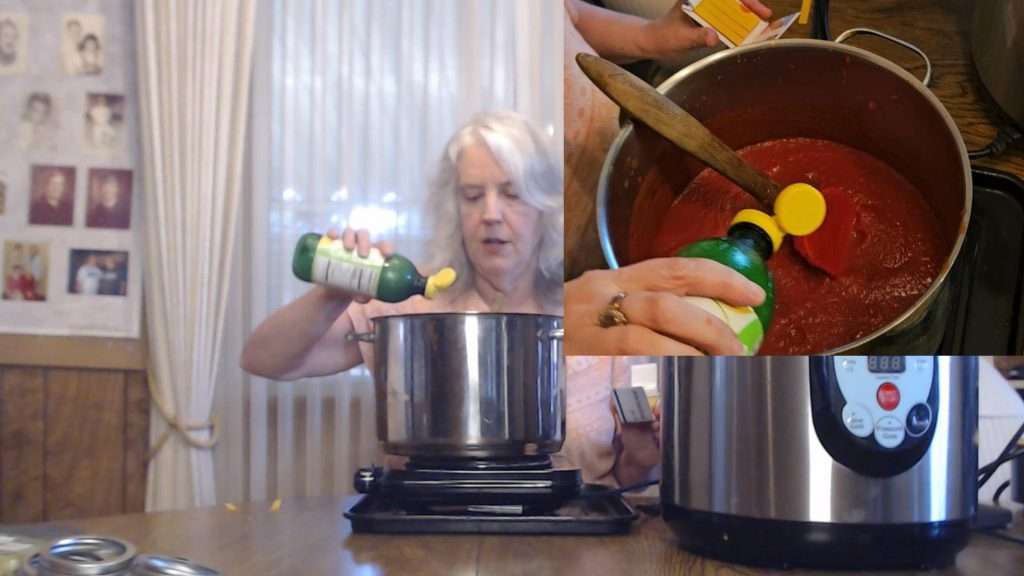
If the pH is too high (meaning the acid level is too low), add a bit more lemon juice until it reaches the right level.
Adjust the Seasoning
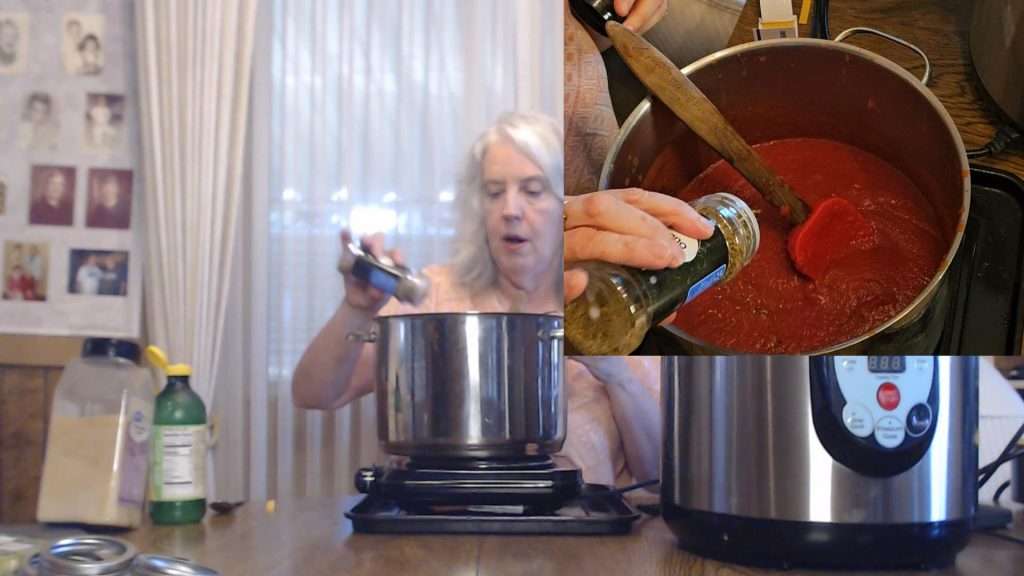
It’s always a good idea to taste the sauce and adjust the seasoning before canning it. I tasted the sauce, and felt the spices weren’t strong enough, so I added more oregano, garlic powder, and black pepper.
One plus of adding more seasoning is that it covered up the lemon flavor that resulted from me having to add more lemon juice. So not only did the pizza sauce have a more authentic Italian flavor with more spices, the lemon juice flavor was undetectable after adding more spices.
Canning the Pizza Sauce
If you haven’t already done so, heat the water and the jars. This recipe makes around three pints or six half pints. I opted for half pints, since that’s about the amount of sauce my family uses at one time.
Fill the Jars with Pizza Sauce
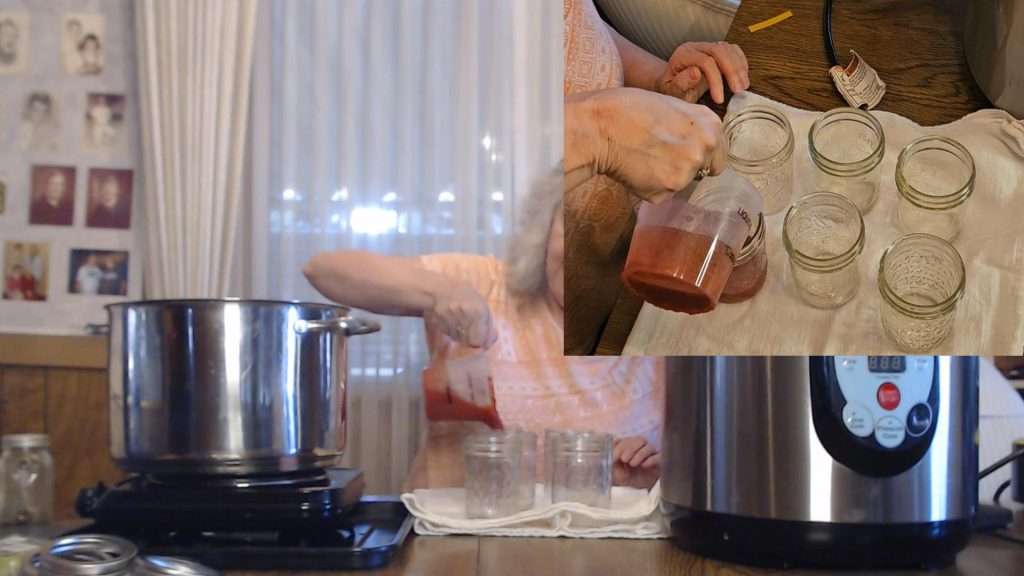
Remove your hot jars from the canner, and then ladle the sauce into the jars. Leave about 1/4″ headspace.
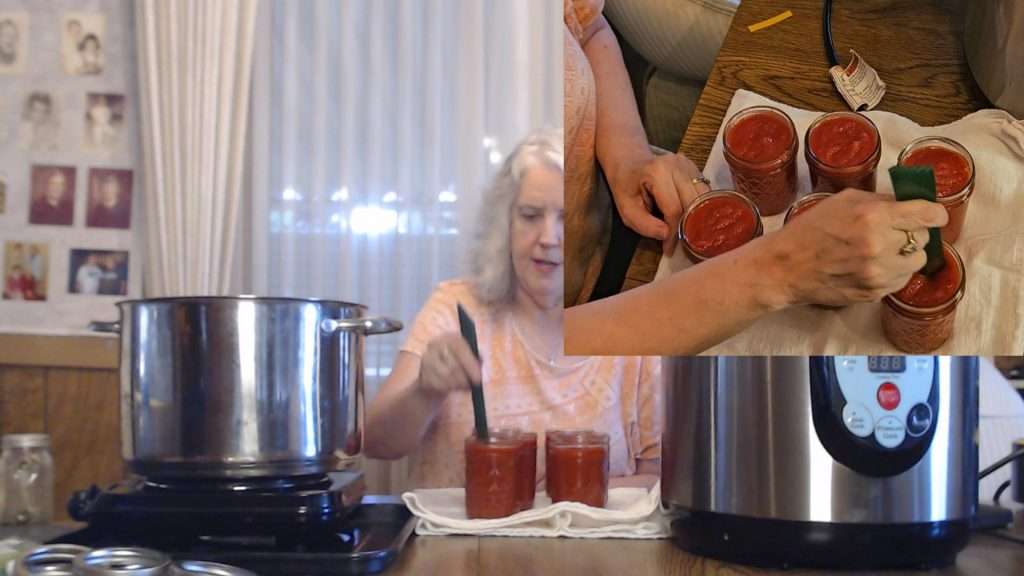
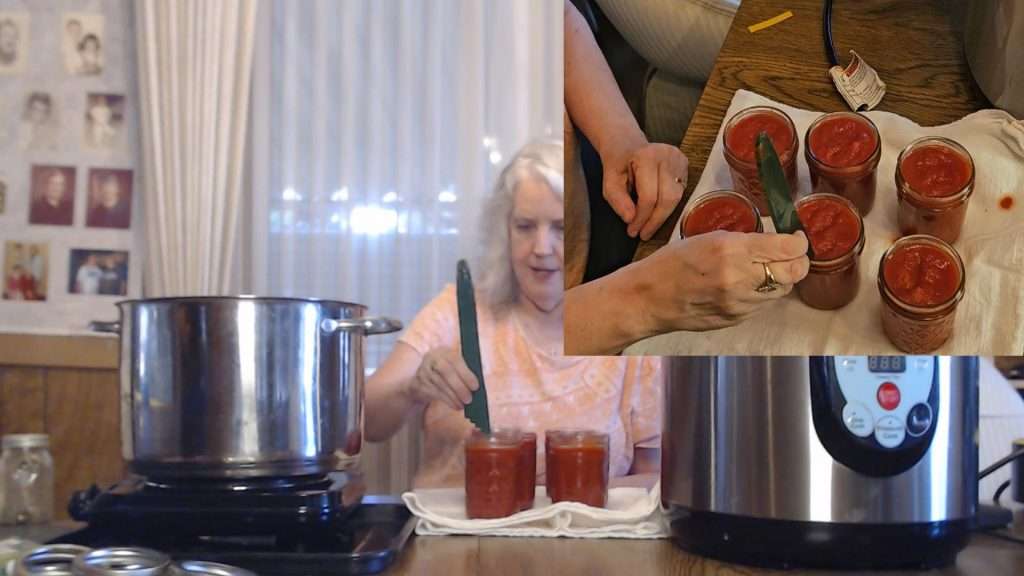
Be sure to debubble the jars, and then check the headspace again. If needed, add or remove pizza sauce from each jar to get it to 1/4″ headspace.
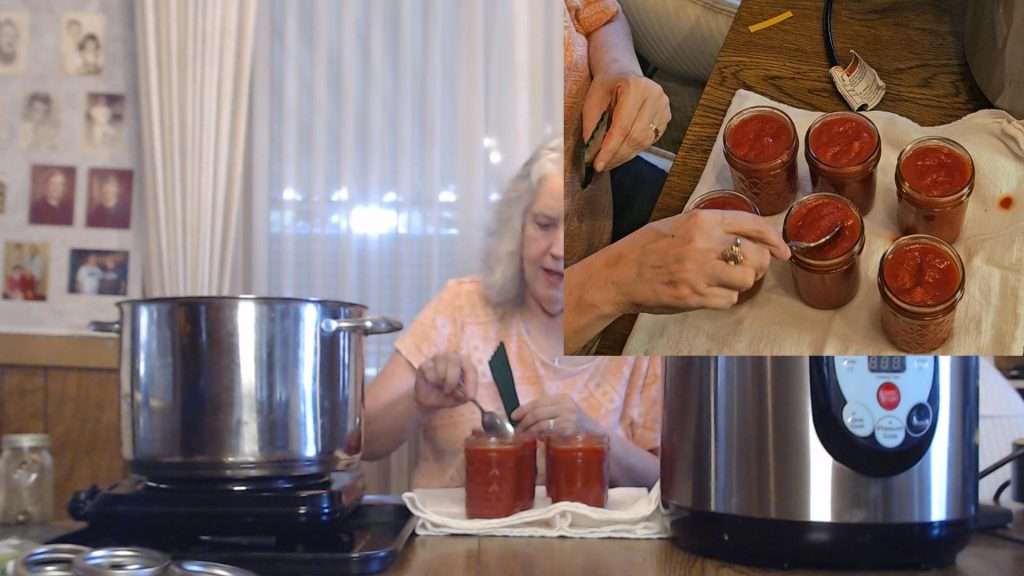
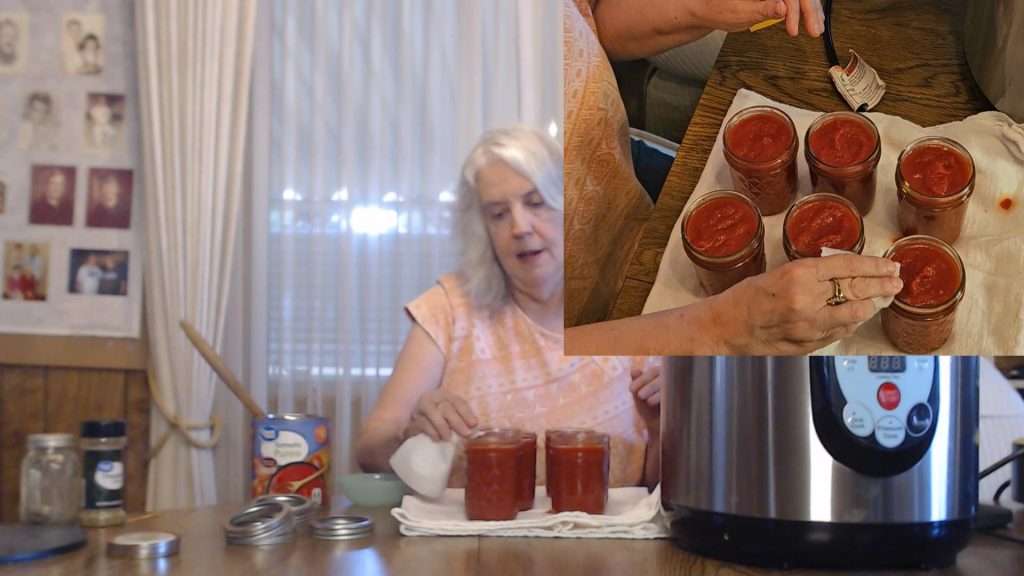
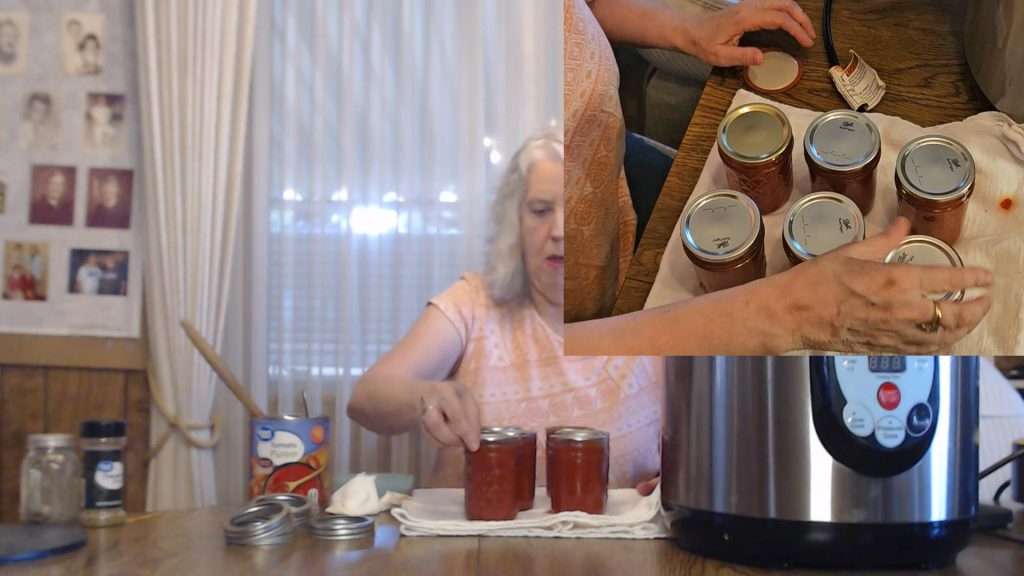
Wipe the rims with a damp cloth or paper towel, and put the rings on fingertip tight.
Water Bath or Steam Can the Sauce
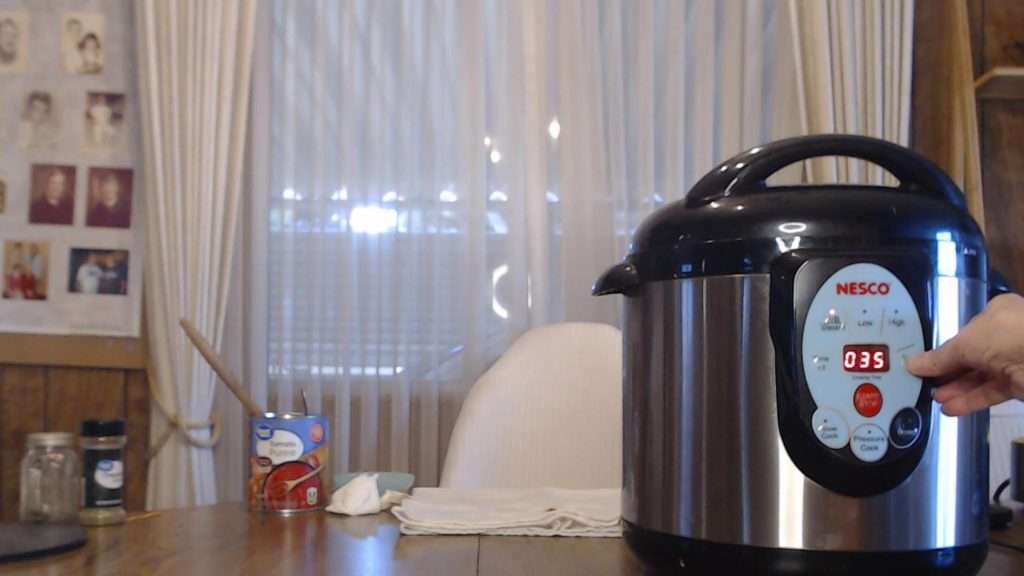
Put the jars into the canner, and water bath or steam can the pizza sauce for 35 minutes, adjusting for altitude.
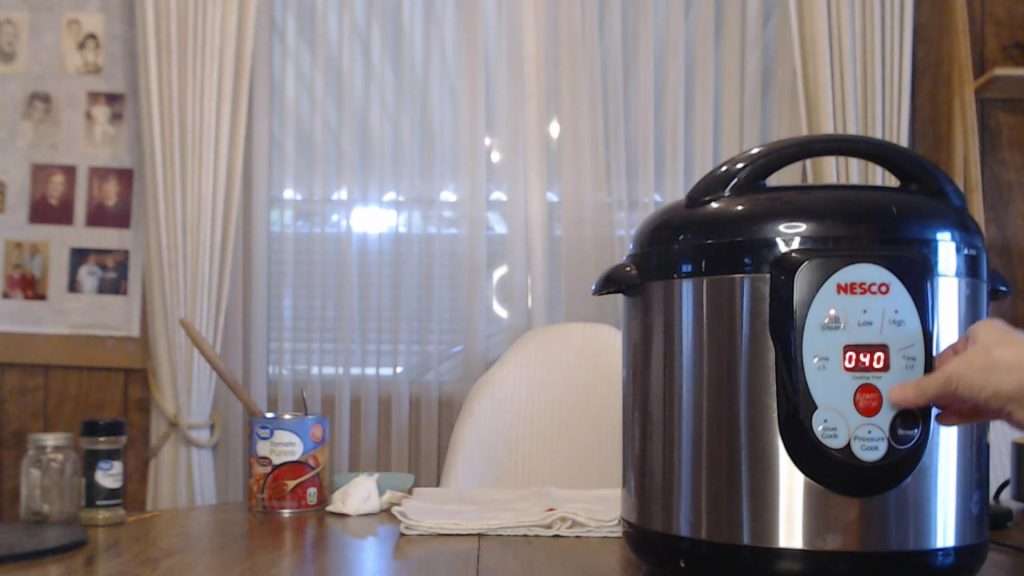
For my altitude, I added an extra five minutes, bringing the total processing time to 40 minutes.
If you need more information on how to adapt canning recipes based on your altitude, be sure to check out my article, How Altitude Impacts Canning.
Enjoy Your Homemade Pizza Sauce
After processing, remove the jars from the canner and let them cool. Once cooled, check that all the lids have sealed properly. Your homemade pizza sauce is now ready to be stored in your pantry for future pizza nights!
Conclusion
Canning your own pizza sauce is a rewarding experience, and this easy recipe ensures you’ll have a delicious and versatile sauce on hand whenever you need it. The convenience of using canned tomato puree makes the process faster and more affordable, while still delivering great flavor. Don’t forget to taste and adjust your seasonings before canning, and always check the acidity to ensure safe preservation. Happy canning!
Your All-in-One Canning Companion

The Home Canning Success System is your all-in-one canning companion. Whether you’re brand new or a seasoned canner, this book helps you plan, organize, and track your projects with confidence. Ditch the guesswork—preserve with purpose!
Pin it For Later


Related Articles
If you enjoyed this article, you’re sure to enjoy these related articles.
💬 I’d love to hear from you!
Have you tried this yourself? Have a question or tip to share? Leave a comment below — your experience or question could help someone else, too!