


Potatoes are one of the most versatile and budget-friendly foods you can buy. But when you come across a great sale, grow your own, or just want to make sure you’re prepared for the future, you might find yourself wondering: What’s the best way to preserve potatoes?
The good news is that there are many great options — from freezing and canning to dehydrating, freeze-drying, and even fermenting sweet potatoes. In this post, I’ll walk you through several ways to preserve potatoes, with helpful videos and links to my own tutorials along the way. Whether you want shelf-stable options for long-term storage or simple freezer-friendly recipes, you’ll find something here that fits your needs.

🧊 1. Freezing Potatoes
Freezing is one of the easiest ways to preserve potatoes for short- to medium-term storage. The key is to partially cook them first to keep their texture and flavor intact after thawing.
Here are several ways to freeze potatoes, depending on how you plan to use them:
Blanched Diced Potatoes
Peel, dice, and blanch potatoes in boiling water for 3–5 minutes. Cool them quickly in ice water, drain well, and freeze on a baking sheet before transferring to freezer bags. These are perfect for soups, stews, or hash browns.
Mashed Potatoes
Freeze mashed potatoes in meal-size portions or scoop them onto a parchment-lined tray before freezing. Once frozen, transfer them to bags or containers. They reheat beautifully and make a quick, comforting side dish.
Below is a helpful video that shows exactly how to freeze mashed potatoes.
Note that the video above shows a unique process in that the potatoes are cooked in milk instead of water. Since that can be a bit pricey, I wanted to also show you a more frugal version that starts off by cooking the potatoes in water, and then adding dairy to them after cooking.
French Fries and Diced Potatoes
For crispy, homemade fries anytime, par-cook them first by lightly baking, frying or boiling and then freeze on a tray. Once solid, move to freezer bags for easy storage.
You’ll find a great video below that demonstrates how to freeze French fries for best results.
The process for freezing diced potatoes is going to be similar to freezing French fries, but I like that the video below shows how to freeze potatoes O’Brian, which are potatoes with peppers and onions. These are absolutely delicious for breakfast!
Twice-Baked Potatoes
Bake your potatoes, stuff them with your favorite fillings, then freeze. Reheat directly from frozen for a ready-to-go delicious side dish.
Check out the video below for an excellent step-by-step tutorial on freezing twice-baked potatoes.
🫙 2. Canning Potatoes
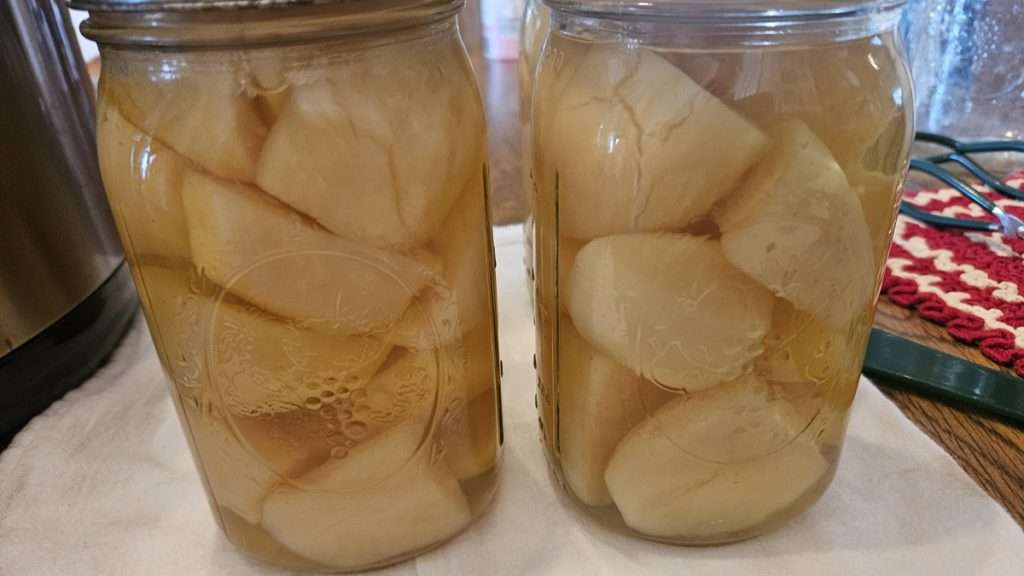
Canning potatoes gives you shelf-stable, ready-to-use potatoes that can last for years. This method requires a pressure canner, since potatoes are a low-acid food.
Pressure-Canned Potatoes
White or yellow potatoes work best for canning because they hold their shape better than russets. However, if you’d like to see how to can russet potatoes successfully, check out my post:
➡️ How to Can Russet Potatoes
Mixed Vegetable Soup Base
Potatoes can be part of a canning-safe vegetable soup mix, making meal prep a breeze later.
Below is a helpful video showing how to can vegetable soup that includes potatoes.
Herbed or Seasoned Potatoes
Add flavor by canning potatoes with herbs or garlic (always following safe canning guidelines).
➡️ Watch my own video below where I show how to can herbed potatoes.
Potato-Based Soups (Without Dairy)
Potato-leek or vegetable soups can be pressure canned safely as long as you skip the dairy.
Below you’ll find a video tutorial demonstrating how to safely can potato soup starter.
🌬️ 3. Dehydrating Potatoes

Dehydrating is another excellent long-term storage option that requires very little space. Dehydrated potatoes are lightweight, shelf-stable, and easy to rehydrate for use in recipes.
I have two detailed posts you can explore:
Shredded Hash Browns
Dehydrated hash browns make quick breakfasts and camping meals. For an easy shortcut, you can start with store-bought frozen hash browns — simply dehydrate them to save prep time.
Take a look at the video below for a demonstration of how to dehydrate store-bought frozen hash browns.
❄️ 4. Freeze-Drying Potatoes
If you own (or are considering) a freeze dryer, potatoes freeze-dry beautifully. They rehydrate well and last for decades when stored properly.
(Note: I haven’t purchased my own freeze dryer yet, but I’ll be sharing a couple of helpful videos below that show how it’s done.)
Freeze-Dried Potatoes
You can freeze-dry slices, dices, or mashed potatoes for lightweight, long-term storage.
Here’s a video showing the process of freeze-drying different forms of potatoes.
Freeze-Dried Potato Soup or Chowder Base
These rehydrate quickly for camping, emergencies, or just a fast meal.
Below is a great video that walks through how to make and freeze-dry a hearty potato soup.
🧺 5. Preserve Potatoes Using Cool Storage With or Without a Root Cellar
I don’t have a root cellar or basement myself, and am also very limited on space, so I don’t store potatoes this way. However, the videos below show great ways to store potatoes in raw form, that can last for months or perhaps even up to a year.
🧂 6. Fermenting Sweet Potatoes
While you can ferment regular potatoes, they don’t keep well, so it’s not an ideal preservation method. However, fermented sweet potatoes are a delicious and long-lasting option — they can stay good for up to 12 months in the refrigerator.
Watch the video below to learn how to ferment sweet potatoes step-by-step.
🍽️ 7. Using Preserved Potatoes

Preserved potatoes make it easy to whip up fast, satisfying meals. Here are some great ways to use your stored potatoes — plus a few ideas you can try:
- Dehydrated hash browns – perfect for breakfast casseroles.
- Canned potatoes – great for quick soups, skillet meals or potato salad.
- Frozen fries – crisp up beautifully in the air fryer or oven.
- Potato powder – use in bread, rolls, or as a thickener, or as mashed potatoes.
- Scalloped potatoes – make from dehydrated slices.
- ➡️ How to Make Scalloped Potatoes from Dehydrated Potatoes
- ➡️ Cheesy Scalloped Potatoes from Shelf-Stable Ingredients
You can also create dry soup mixes in jars using dehydrated potatoes. One of my favorites is my
➡️ Mexican Corn Chowder Using Dehydrated Potatoes.
For even more inspiration, check out Pantry Stuffers: Dehydrated Soups by Wanda Bailey Clark — it’s packed with recipes that use dehydrated ingredients, including several dry soup mixes that use dehydrated potatoes.
Potato Salad from Dehydrated Potatoes
If you love potato salad but don’t always have fresh potatoes, canned or dehydrated ones can work surprisingly well.
Here’s how I make it using dehydrated cubed potatoes:
- Boil the dehydrated diced potatoes until just tender (don’t overcook).
- Drain and mix with diced dill pickles, onions, mayo, mustard, salt, and pepper.
- Chill for a couple of hours before serving.
Feel free to use your favorite potato salad recipe. The main thing is to cook the dehydrated diced potatoes just until done, and the proceed as if you’re working with freshly cooked potatoes.
Even though the dehydrated cubes are smaller than typical salad chunks, they still have a great bite and flavor.
🥄 Preserving Potatoes is Worth It!
Potatoes are truly one of the most flexible foods you can preserve. Whether you prefer the convenience of frozen fries, the shelf stability of canned or dehydrated potatoes, or the traditional simplicity of root cellaring, there’s a method that fits your lifestyle and storage space.
Experiment with a few of these techniques — and don’t forget to check out the related blog posts and videos I’ve linked throughout this article for step-by-step instructions. With a little effort now, you’ll have a ready supply of potatoes to enjoy all year long.
Pin it for Later


💬 I’d love to hear from you!
Have you tried this yourself? Have a question or tip to share? Leave a comment below — your experience or question could help someone else, too!