

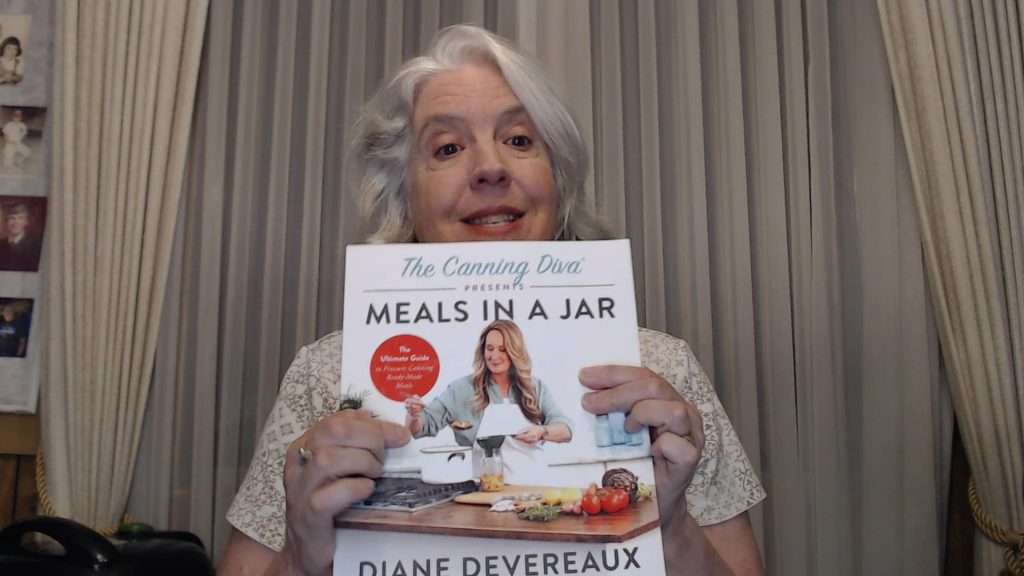
The Canning Diva is one of the more controversial figures in the canning space. She is considered dangerous by many, and yet others defend her. Those who defend her argue that her recipes are safe. Some even claim that her recipes are tested. So, which is it?
This article includes affiliate links.
Are her recipes in The Canning Diva Presents Meals in a Jar (Amazon) book safe? Or should you avoid this book at all costs?
That’s what I dive into in this article. In this article I’ll provide a detailed overview of what’s included in the book, and what I like about the book. I’ll also address some concerns that I have with some of the recipes. I’ll point out how some of the recipes violate safe canning guidelines put out by the USDA and give my thoughts on how to tweak the recipes to bring them into compliance with the USDA Guidelines.
The Canning Diva Presents Meals in a Jar Book Review (Video)
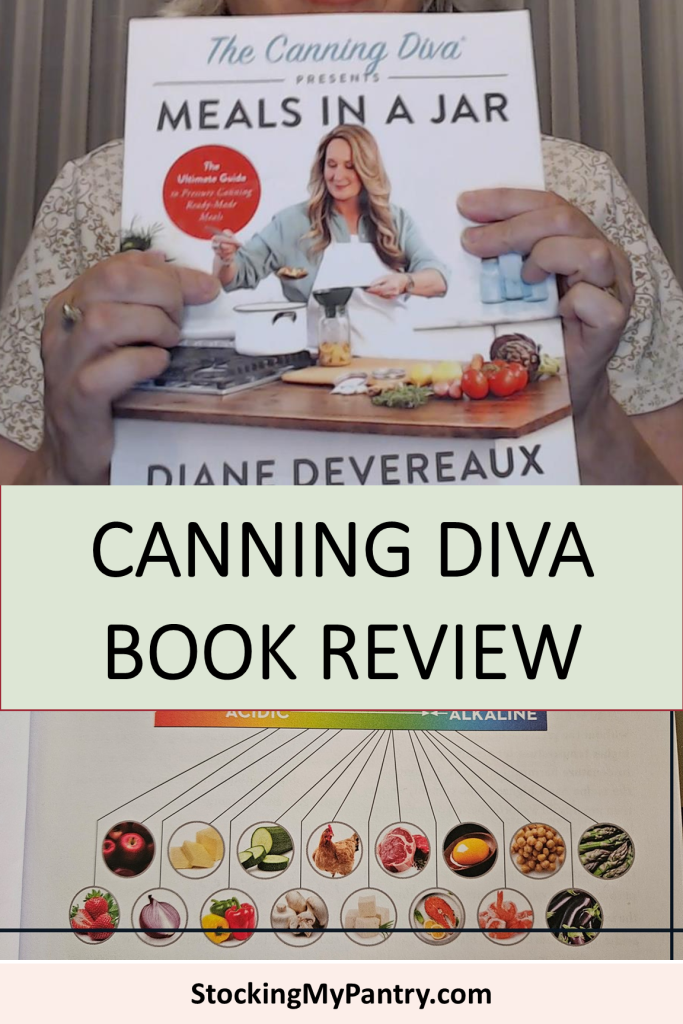
The Safe Canning Spectrum

Before I do a deep dive into the book, I want to lay the groundwork by talking about where different people fall on what I’ll call the safe canning spectrum.
Strictly By the Book

At the very top of the spectrum are those who are 100% by the book canners. They will only use approved recipes from the USDA and Ball. If you’ve been in any of these more stringent Facebook groups, you’ve likely seen the hostility toward anyone who even mentions a canning recipe from an unapproved source. And if you really want to get them wound up, mention electric canners, which are strictly forbidden.
Focused on Safe Canning with Some Flexibility

The next level on the spectrum are those who follow safe canning guidelines, but are willing to use canning recipes from sources other than the USDA and Ball – as long as those recipes follow safe canning guidelines. They may also use electric canners. This is where I personally fit on the spectrum.
Ready to can with confidence this year? Grab the Home Canning Success System—your step-by-step guide to organized, stress-free home canning!
👉 Check it out on AmazonEducated Canners that Intentionally Break Some Safe Canning Guidelines
The next level on the spectrum are those who know the safe canning guidelines and choose to break at least some of them, based on their own research and logic. I feel that The Canning Diva (Amazon) fits here on the spectrum.
As you’ll see as I go through the book, she provides a lot of scientific information. She’s done her homework. And she has her reasons for breaking at least some of the rules put out by the USDA.
The biggest challenge with following someone who falls at this level in the safe canning spectrum is that unless you have a solid level of scientific understanding yourself, it’s hard to evaluate what they say. I’ll give you some examples of this as I go through the book.
Hardcore Rebel Canners
The final level on this spectrum are what I’ll refer to as hardcore rebel canners. People who fall into this category will can just about anything they want to can.
As an example, I was once in a rebel canning group, and a woman in that group canned her homemade mac and cheese. Her son who was away at college just loved her mac and cheese, so she canned it and sent it to him, so he could enjoy it any time he wanted a taste of home.
Now, I totally understand this mama’s heart. One huge way I show love to people is by feeding them. So I understand her desire and motivation, and that it’s born out of love, though in my opinion, misguided.
People who fall into this category often look at commercially canned food and figure if it can be commercially canned, they can do it at home. They may also have a family history of canning certain food a certain way, and if no one in their family has ever died from home canned food that breaks the rules, they reason it must be safe.
And by the way, in the spirit of full disclosure, I want to admit that when I first started canning, I was a bit of a rebel. I WANTED to be able to can everything under the sun, and there were plenty of people who assured me it was fine. But the more I learned, the more I moved into the safe canning camp.
Chapters in the Canning Diva Presents Meals in a Jar
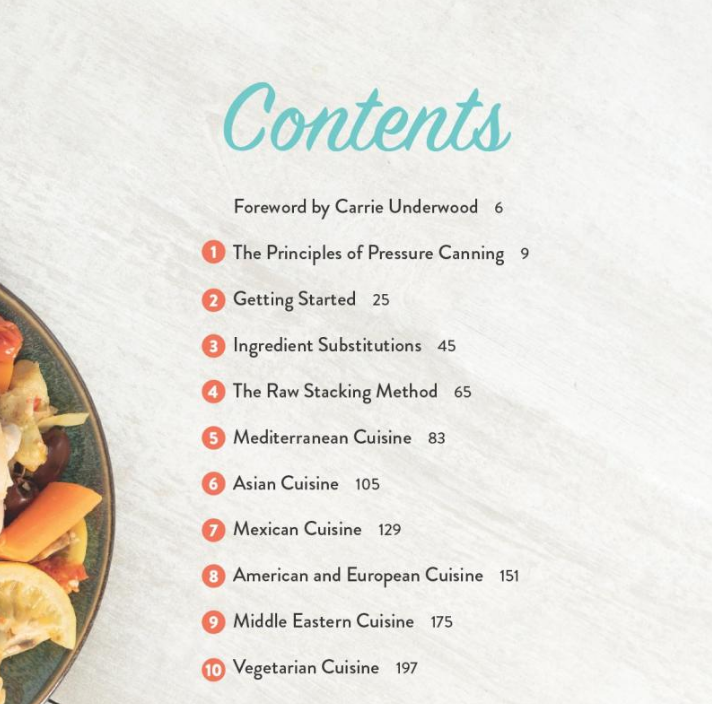
Here are the chapters included in the book:
The Principles of Pressure Canning
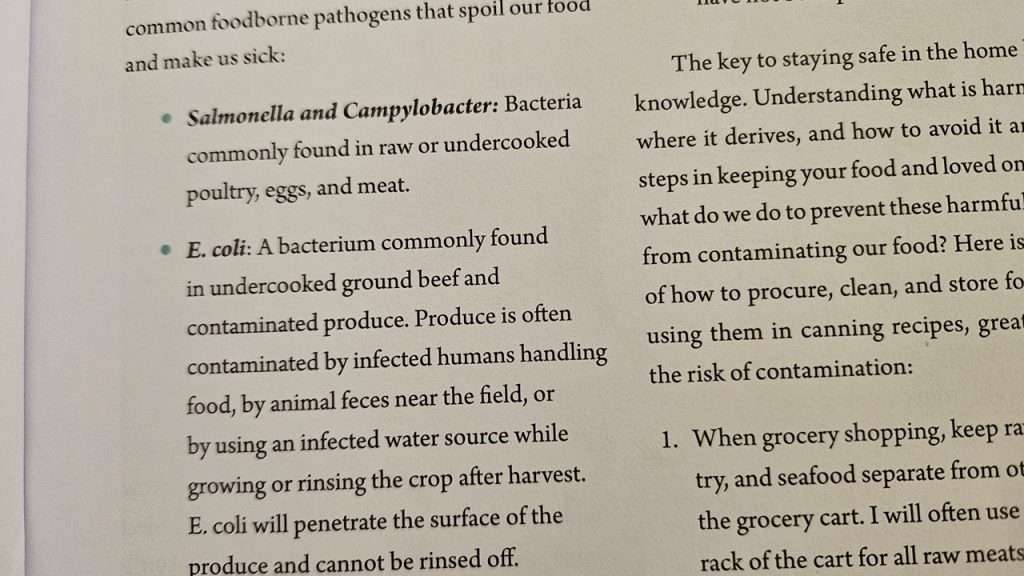
The first chapter in the book is The Principles of Pressure Canning. Much of what you’ll find in this chapter is similar to other canning books. It talks about the basics of pressure canning and water bath canning.
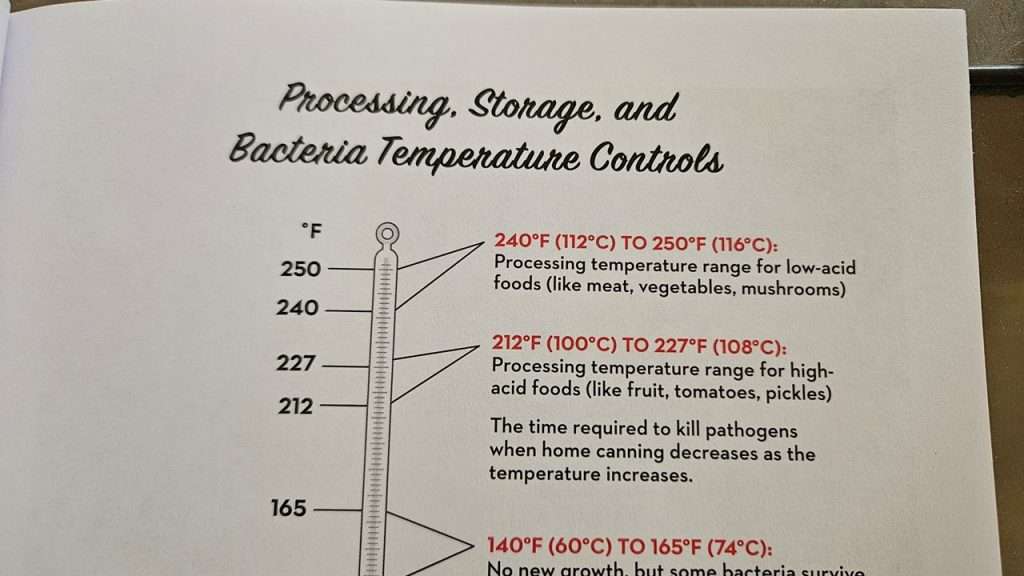
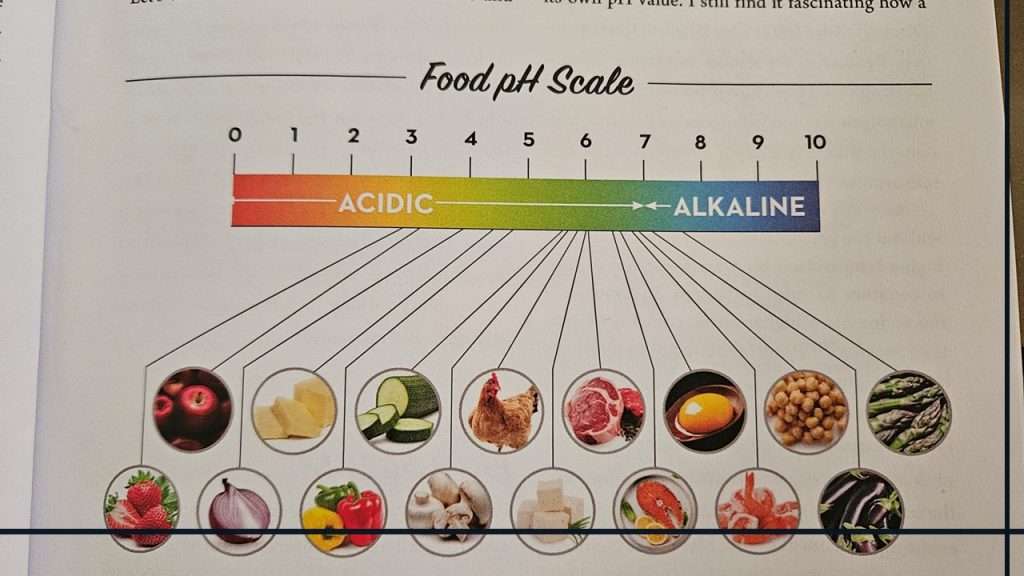
She also dives into the scientific elements such as the food pH scale, time and temperature, and foodborne pathogens and microorganisms.
This chapter includes information on best practices such as canning in a clean environment, how to safely store your home-canned food and so on.
As is true throughout the book, the content is presented in a visually appealing way.
Getting Started
The Getting Started chapter focuses on various canning tools and supplies. It reviews various types of pressure canners, and explains the difference between pressure cookers and pressure canners.
It covers other important topics such as how altitude impacts canning, different jar packing methods, and gives some great advice on how to plan your pressure canning.
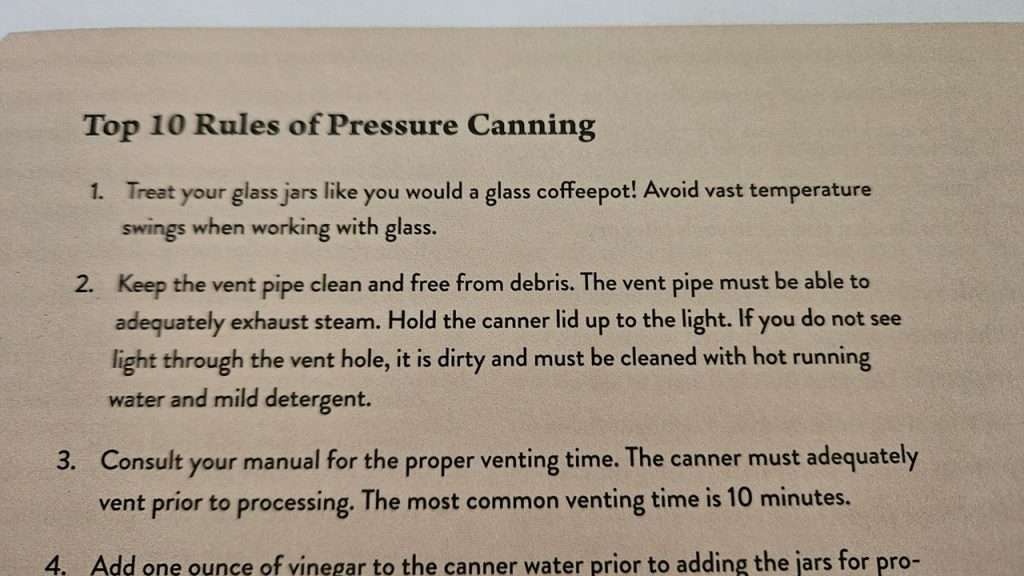
One handy page provides “Top 10 Rules of Pressure Canning” such as keeping your vent pipe clean and letting pressure drop naturally to zero pounds before removing the lid.
Ingredient Substitutions
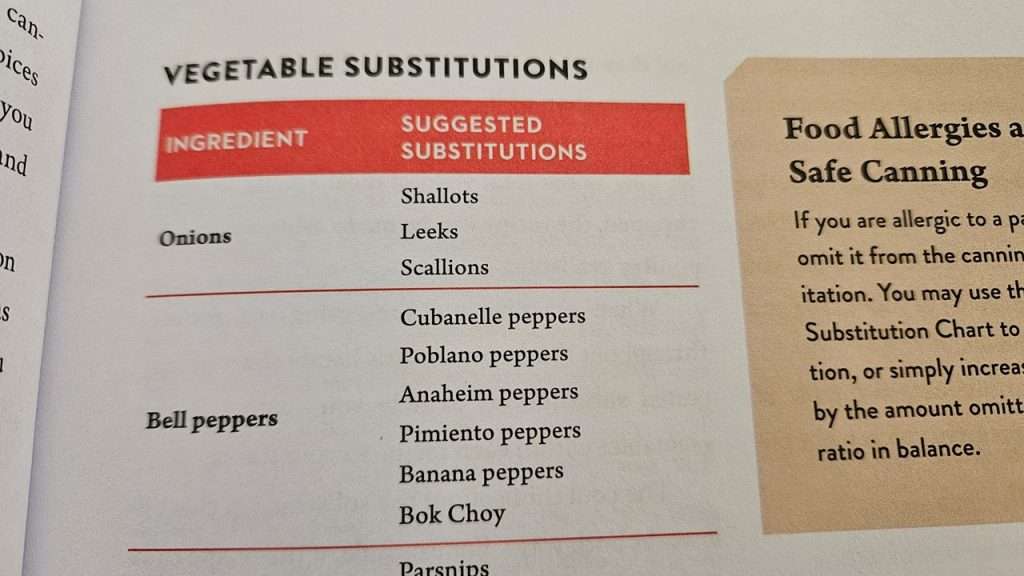
The chapter on ingredient substitutions is one of the most helpful chapters. Your family may have allergies or preferences that may motivate you to change the recipe a bit. Or, you may not have all of the ingredients on hand.
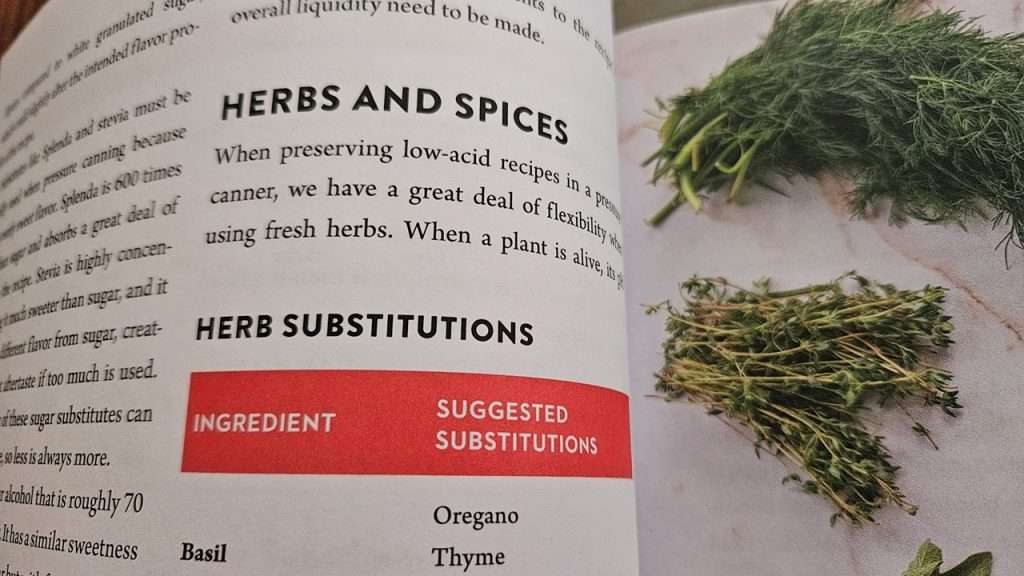
This chapter provides substition recommendations for salt, sugar, herbs and spices, vegetables, and more.
While this chapter contains helpful information, I’d have to research things further before I’d be willing to wholeheartedly recommend all of the substitutions. In fact, some of the ingredients she recommends haven’t been tested by the powers that be and may or may not be safely used in canning recipes.
The Raw Stacking Method
The chapter on raw stacking begins with,
Skip the cooking and simmering step and learn to create easy meals in a jar using the raw stacking method. This chapter will share the math and instructions so you may create and preserve delicious, evenly proportioned meals in every jar.
The chapter starts off by listing the benefits of using the raw stacking method. The primary benefit is that it saves time, since you don’t have to cook anything ahead of time.
One thing worth noting is she states,
When creating and testing recipes, I take into account (1) the best way to blend flavors, (2) the volume within the jar and (3) proportionate math to duplicate the same results jar after jar.
She goes on to explain the importance of using proper ratios of “solids, seasonings, and liquid to yield a positive, safe, and delicious result.”
The above statement is an example of the care that she puts into the recipes she develops. However, as I’ll get into below on the section about testing, I’m not sure how she has determined the proper ratios to make the recipes safe.
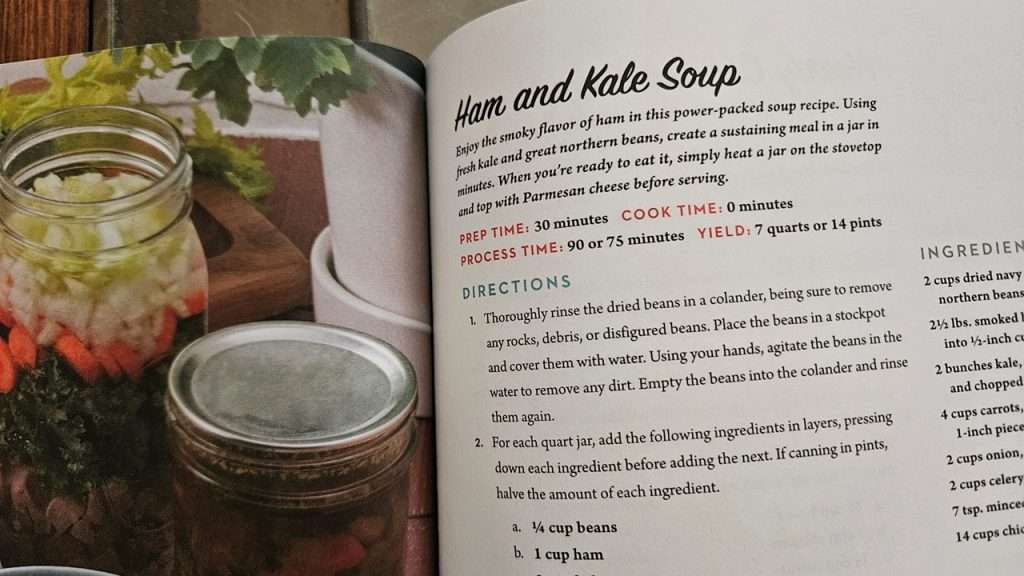
The book also states that some canning recipes, such as spaghetti sauce, are unsuitable for raw stacking.
The rest of this chapter includes several recipes that use the raw stacking method. I will likely use at least some of these recipes, but slightly tweak them to bring them into compliance with safe canning guidelines.
Wish your canning was more organized? This practical guide + printable toolkit will transform the way you stock your pantry.
👉 See the book on AmazonAs an example, the Hearty Chicken Soup recipe on page 74 calls for dry beans that have been rinsed, but not soaked or partially cooked. While many people can dry beans that haven’t been soaked or cooked, I prefer to follow the USDA guidelines for properly canning dry beans.
Ethnic Cuisine Canning Recipes
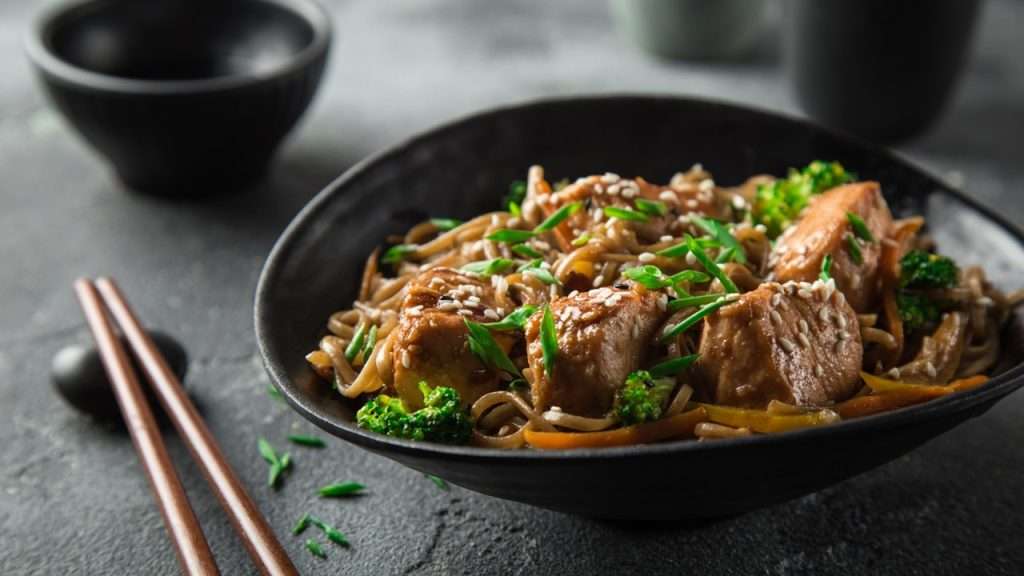
One thing that really sets this book apart is not just the focus on canning meals in a jar, but also the focus on canning ethnic food. It seems that this is something many people either love or hate about the book. Many people want to can plain, American-style comfort food and others want to add more ethnic variety to their home-canned pantry.
If you are one who prefers to can standard American favorites such as Beef Pot Pie filling, you’ll find that on page 156. However, even most of the recipes in the American and European Cuisine chapter may be unfamiliar. So, if you fit strictly into the “good old American cooking” canning recipes camp this may not be the book for you.
More Adventurous Eaters
In contrast, if you and your family enjoy a wide variety of ethnic food, you’ll find canning recipes based on the following types of cuisine:
- Mediterranean
- Asian
- Mexican
- Middle Eastern
- Vegetarian
Some of the recipes are hard to pronounce and once I haven’t heard of, and some I look forward to trying. For example, my family has spent a fair amount of time in India, and my husband’s favorite dal (lentils) is Dal Makhani, and in the Asian Cuisine chapter, one of the recipes is for Punjabi Dal Makhani (page 122). We like Asian cuisine and Mexican cuisine in general, so we’ll likely try many of those recipes.
In my experience, it’s not uncommon to love only a handful of recipes in any cookbook, so I’ll consider it a win if I discover that we love at least a half a dozen recipes in this book.
Is the Canning Diva’s Testing Valid?

One of the most concerning things about some of the Canning Diva’s recipes and methods is the claim that they are tested. This is a common misconception among those who feel safe using Canning Diva’s recipes.
As means of illustration, I want to share a comment posted on my YouTube community section. When I asked if people would find a review of this book helpful, one person responded,

I’m going to touch on the lab testing in a bit. I have to say that this is a big WHY behind reviewing this book. This sweet lady who left this comment clearly wants to do safe canning. Thankfully, in her gut she knows not to do some of what is recommended, in spite of the “testing.”
Examples of Testing Claims
A big issue is that the parameters of the tests and other details are unclear at best or at worst, misleading.
This book uses various forms of the word “tested” multiple times. However, for the most part, it’s unclear what type of testing took place. I’ll give you a few examples of references to testing in the book.
First, on page 40, it says:
Raw stacking is essentially raw packing by evenly distributing a tested ratio of ingredients and layering (stacking) them onto one another.
So, there is a tested ratio. Great! But how was the ratio tested? We don’t know.
Here’s another example. On page 46, when writing about salt substitutes, Devereaux writes,
So, what are your options for substituting salt or sodium when pressure canning meals in a jar? My personal and tested favorite is the use of coconut aminos as a viable and safe substitution for salt.
So again, no real idea of how the testing was conducted, and yet it is deemed safe.
On page 58 it says,
When I use food to thicken a recipe, these natural thickening ingredients are carefully measured and tested to ensure the right consistency is achieved in batch after batch, time and time again. In addition to potatoes, there are a variety of ingredients used throughout this book that have been carefully selected and measured to obtain a thick texture without becoming too dense to prevent a full transfer of heat, or thermal transfer, throughout each ingredient during processing.
I’m glad that she addressed density and heat transfer, because that’s super important, but again, how was this “carefully measured and tested”?
While there are more references to testing, here’s one final example. On page 60, under the Meat Substitutions heading, it states:
After extensive testing, I’m happy to report there are several meat substitutes suitable for pressure canning. . . Here are a list of meat alternatives and substitutions you can confidently use to create meatless protein-packed pressure-canning recipes:
- Soy plant-based meats
- Tofu
- Jackfruit
Again, we don’t know how those meat substitutes were tested. To my knowledge, there has been no official testing of canning soy plant-based meats or tofu. You can buy commercially canned jackfruit, but I haven’t found any tested recipes for home-canning jackfruit.
Make every jar count. Learn how to set smart canning goals, track your inventory, and build a pantry your family will love—with the Home Canning Success System.
👉 Check it out on AmazonExamples Outside of the Book
In the comment above that was in response to my YouTube post, there was the mention of being unwilling to can potatoes without water. This is known as dry canning. Some of the recipes in this book use the dry canning method.
Outside of the book, Devereaux advocates dry canning of potatoes, carrots, and more and claims that the method has been tested and proven safe. She even shows that the potatoes she dry canned were tested in a laboratory and that no botulism was present. Many people have latched onto the results of that test, and now feel confident with dry canning, among other things, potatoes.
Problems with the Testing of Dry Canning Potatoes
However, there are several problems with the test she conducted.
The first problem is that with her dry canning potatoes test, there is no evidence that botulism spores were present prior to the potatoes being canned. You cannot inject botulism spores into something at home, because thankfully, ordinary people like us can’t just buy it.
Due to how dangerous it is, tests using botulism can only be done in an actual laboratory, under very strict conditions. And if no botulism was present in the potatoes to begin with, a test showing there was no botulism after they were canned is meaningless.
Second, we have no knowledge of the circumstances under which her potatoes were canned. For example, did she use home grown potatoes or did she buy them at the store? Did she can them in a commercial kitchen or her home kitchen? The bottom line is we simply don’t know enough about the conditions of her test.
Finally, she only had two jars tested. Two jars is such a small sample size that it’s not a valid scientific test.
My biggest concern here is that people are putting their full faith into her testing claims, even though any testing she has done is inadequate from a scientific perspective.
Untested Ingredients
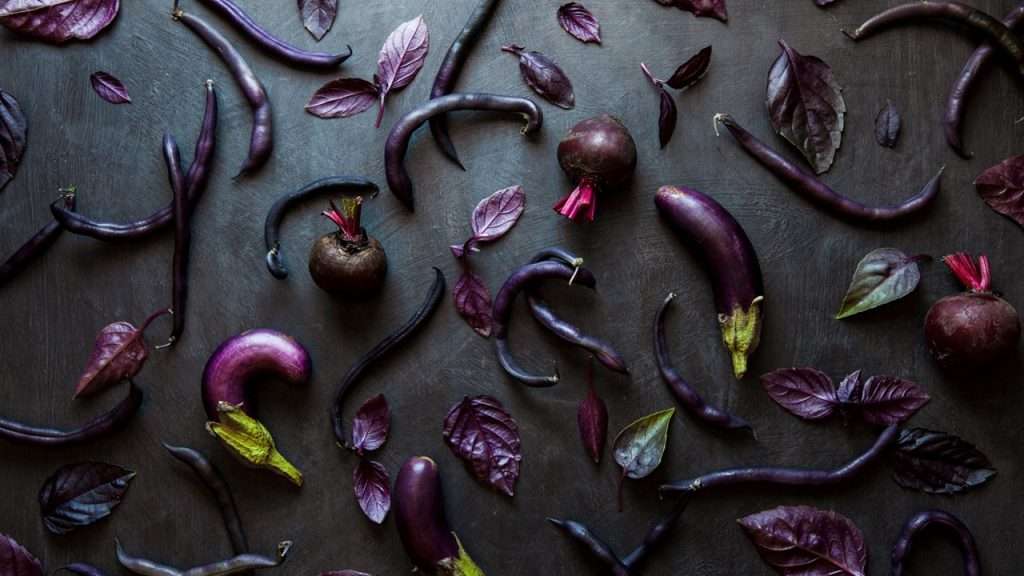
In addition to the concerns about her inadequate testing methods from a scientific perspective, the Canning Diva (Amazon) also often uses ingredients that haven’t been tested for canning.
One example is eggplant. Since there are no tested and approved instructions for canning eggplant, there’s no way to know if the processing time is correct in order to safely can it. There may be other issues such as density. Again, since it’s untested, we simply don’t know whether or not it’s safe to do, and yet she has at least one recipe that includes eggplant.
Using Eggs in Canning
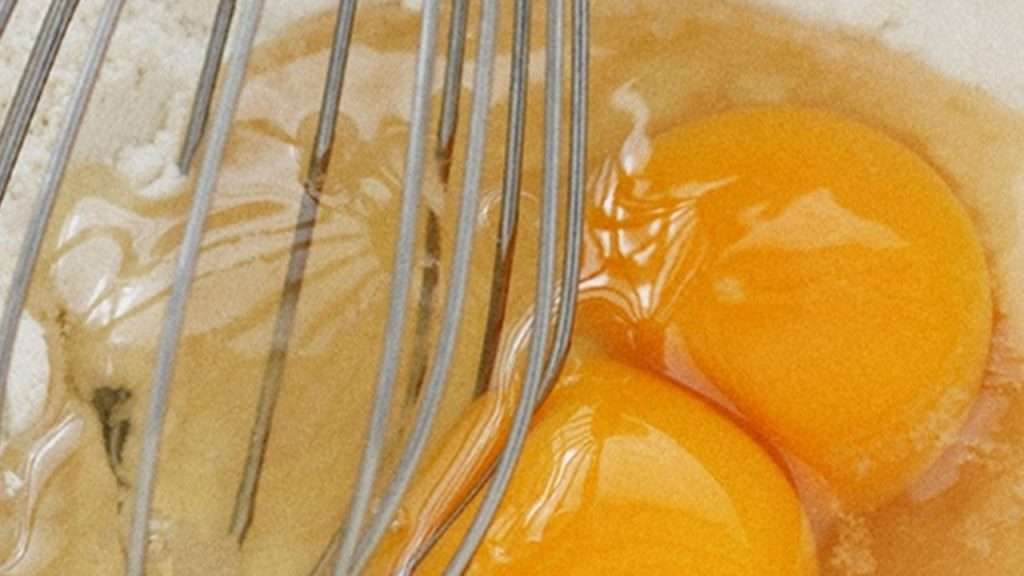
Using eggs in canning recipes, such as in meatballs is another example of unclear scientific testing. Devereux covers the use of eggs in canning on page 59. She cites as the source the book, Egg Science and Technology, which gives the impression that her use of eggs in canning recipes is based on science.
While I have not purchased the book, I skimmed through what I could online in Google Scholar. In looking through the table of contents, there doesn’t appear to be any information on using eggs in canning in general, nor home canning in particular.
Safely Canning Meals in a Jar
Now, here’s the good news! While I haven’t yet gone through all of the recipes in the book, there are some that follow safe canning guidelines and can be canned as written.
Also, if you understand safe canning principles, you can adapt some of the recipes in this book (Amazon) and make them safe.
Here are a few examples.
Korean Bulgogi
The recipe for Korean Bulgogi is made by browning ground beef, and adding in soy sauce, ginger, and spices. From what I can see, all of the ingredients are safe for home canning. However, the recipe doesn’t include adding any broth or water to the jar, which is what the USDA recommends.
I believe it would be safe to follow the recipe as written in the book, as long as you add broth after filling the jars with the cooked ground beef mixture.
Chicken Shawarma in a Jar
The Chicken Shawarma in a Jar recipe calls for partially cooking the chicken. After allowing the chicken to cool, mixing in the spices. Then, put the chicken into the jar and can, without adding any broth.
This kind of seems like a mix between hot pack canning and raw pack canning chicken. With hot pack canning chicken, you cook the chicken as she recommends, and then add liquid to the jars. With raw pack canning chicken, you can put the chicken and spices into the jars, and can without adding water or broth.
There are two workarounds for safely canning this recipe. What I would likely do is add the spices to the chicken, and partially cook it to help bind the spices to the chicken. I’d then fill the jars with hot chicken and hot broth, and then can.
An alternative is to use her recipe and add the spices to the raw chicken, and can it without adding any liquid.
Jackfruit Sloppy Joes
One of of the vegetarian recipes in the book is for jackfruit sloppy joes. It uses canned jackfruit that you drain and rinse, and then a sauce recipe that you can the jackfruit in. As far as I can see, there are no approved canning recipes for jackfruit.
Now obviously, since the recipe uses canned jackfruit, people may argue that it’s safe to can jackfruit. The problem is that as home canners, we don’t have any guidance regarding safely canning jackfruit.
What I could recommend in this case is if you want to make sloppy joes with jackfruit instead of meat, can an approved recipe for sloppy joe starter. Keep cans of jackfruit in your pantry, and when you want to serve this, drain and rinse the jackfruit. Shred it, and simmer it in the home-canned sloppy joe sauce.
Canning Recipes in the Book that are “Unfixable”
I haven’t yet evaluated every single recipe in the book, but I came across at least one that I don’t believe can be safely tweaked. That is the meatloaf recipe found on page 173. The recipe includes ingredients such as eggs and breadcrumbs that are not approved for home canning.
Unfortunately, the problems don’t end there. Even if you eliminate those unsafe ingredients, you still have a problem with the recipe, because you cannot safely can raw ground meat. Now granted, there are people out there who can meatloaf and have never gotten sick. But the concern is that raw ground meat packed into a jar is too dense for the heat to penetrate it to the degree that makes it safe for canning.
I personally recommend a hard pass on this recipe since there is no tested recipe or method for canning raw ground meat.
Pin it for Later

Your All-in-One Canning Companion

The Home Canning Success System is your all-in-one canning companion. Whether you’re brand new or a seasoned canner, this book helps you plan, organize, and track your projects with confidence. Ditch the guesswork—preserve with purpose!
Canning Meals in Jars Alternatives
The good news is, there are some solid alternatives to The Canning Diva Presents Meals in a Jar.
The first book I’d like to recommend is The All New Ball Book of Home Canning and Preserving (Amazon). While there aren’t a ton of meals in jars, starting on page 274, there is a short section titled, Simple One-Jar Meals that will at least get you started. There are also recipes for things like Spicy Texas Chili Base, and then a recipe for how to use it to make chili con carne.
One of my favorite canning books is Pressure Canning for Beginners and Beyond (Amazon) by Angi Schneider. Angi is not associated with any of the government agencies, but strives to follow the guidelines for safe canning put out by the USDA. If the USDA says not to do something, she doesn’t do it. I’ve enjoyed recipes in her book such as Chicken and Mushrooms in Garlic Sauce, Teriyaki Chicken, and Beef Street Tacos.
How Angi Schneider’s Recipes Differ from Canning Diva’s Recipes
Since neither Angi Schneider nor Diane Devereaux recipes are officially tested, I wanted to take just a minute to demonstrate how Angi Schneider follows safe canning guideliness and The Canning Diva doesn’t.
Both Pressure Canning for Beginners and Beyond and The Canning Diva Presents Meals in a Jar books include a recipe for meatballs. (Both links are Amazon affiliate links.)
The Canning Diva recipe for Lebanese Kofta meatballs includes eggs and breadcrumbs, and neither of those ingredients are approved for home canning. In addition to that, the recipe calls for dry packing the partially cooked meatballs in the jar, so no liquid is added to the jar. When hot packing meat, according to the USDA, you need to add liquid such as broth or tomato juice to the jars.
In contrast, the Swedish meatballs recipe in Angi Schneider’s book includes onions and spices, and excludes eggs and breadcrumbs. It also provides instructions for adding broth to the jars. Therefore, her recipe fits with the guidelines put out by the USDA for canning meatballs.
Do I Recommend Canning Diva Meals in a Jar?
Now I want to get down to the nitty gritty, and that is whether or not I recommend buying The Canning Diva Presents Meals in a Jar (Amazon).
The answer is that I recommend it for experienced canners who can easily recognize when her recipes don’t meet safe canning guidelines. I also recommend it for those who are willing to do the work of checking solid sources such as the USDA Complete Guide to Home Canning to make sure recipes don’t violate safe canning guidelines.
Only you can determine if checking every recipe against safe sources is worth it. Or if you want to take the risk that the recipes are safe. The variety of recipes makes it worth it for me, because I’m willing to check for safety. I also like being able to serve different types of ethnic food that may not be found in other canning books.
The bottom line is to proceed with caution and educate yourself before blindly following the recipes in this book.
Related Articles
If you enjoyed this article, you’re sure to enjoy these related articles.
💬 I’d love to hear from you!
Have you tried this yourself? Have a question or tip to share? Leave a comment below — your experience or question could help someone else, too!