


If you’ve ever dehydrated cucumbers and wondered what to do with them besides snacking, I’ve got an easy and surprisingly tasty solution: make refrigerator pickles!
This article includes affiliate links.
This method is adapted from one shared by Tammy Gangloff in The Ultimate Dehydrator Cookbook (Amazon), which I highly recommend and regularly turn to for all things dehydrating.
When I saw Tammy’s tip for turning dehydrated cucumbers into long-lasting refrigerator pickles (she says they can keep in the fridge for up to 2 years!), I knew I had to give it a try. It’s a simple, small-batch recipe, and perfect for preppers or anyone who loves making the most of their preserved food.
Why Make Pickles from Dehydrated Cucumbers?
- ✅ Great way to use dehydrated cucumbers
- ✅ Shelf-stable ingredients make it easy
- ✅ Long fridge life—up to 2 years!
- ✅ No canning required
- ✅ Small batch: perfect for testing or small households
Whether you’re prepping for the long haul or just curious about creative ways to use your dehydrated foods, this is a fun and flavorful recipe to try.

Ingredients I Used (With a Few Tweaks)
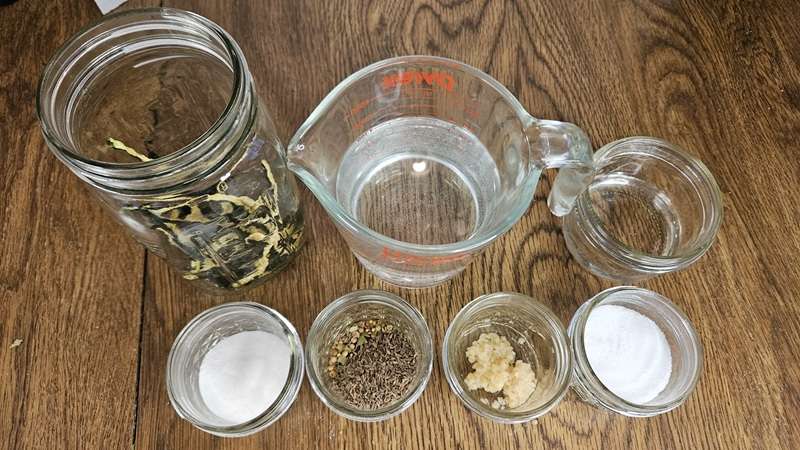
The original recipe calls for dehydrated garlic cloves and a dried dill branch with seeds. Since I didn’t have those exact ingredients, I made a few easy swaps:
- Dill seed: I used a heaping tablespoon of dill seed from the spice section instead of a whole dehydrated dill branch.
- Garlic: I substituted a heaping teaspoon of jarred minced garlic from my fridge.
- Cucumber spears: I used 16 dehydrated spears (sliced lengthwise), which I found fit well into a quart jar. The original called for 18 slices, but I believe she meant spears based on the description.
You’ll also need:
- Water
- Distilled white vinegar
- Sugar
- Pickling spice
- Pickling salt (Important: this is added later—don’t mix it in upfront!)
Important Note: My first attempt at these pickles didn’t work out as hoped. Please read through the entire blog post so you can read what I did on my second attempt, which had a better outcome.
Making the Pickles: Step-by-Step
I’ll include a recipe card below for easy printing, but here’s a general walkthrough of how I made the pickles, adapted from The Ultimate Dehydrator Cookbook (Amazon).
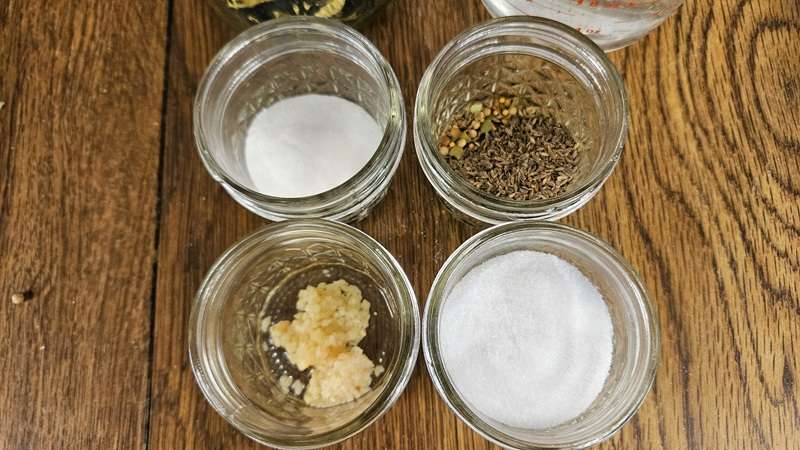
1. Make the Brine
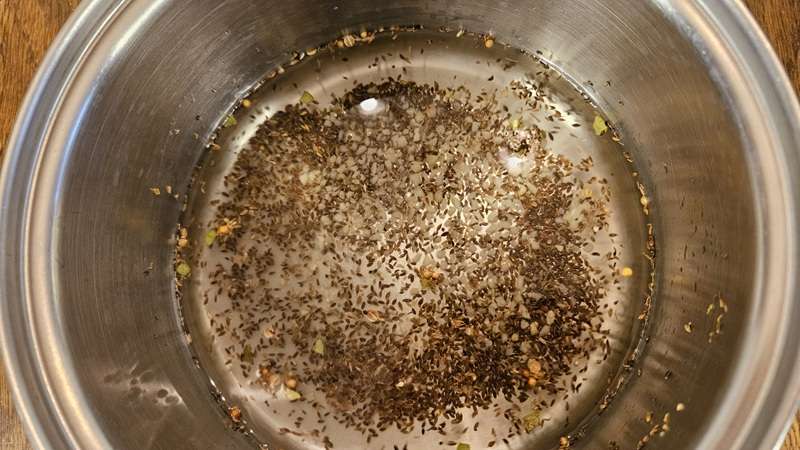
Start by simmering water, vinegar, sugar, pickling spice, dill, and garlic in a small saucepan.
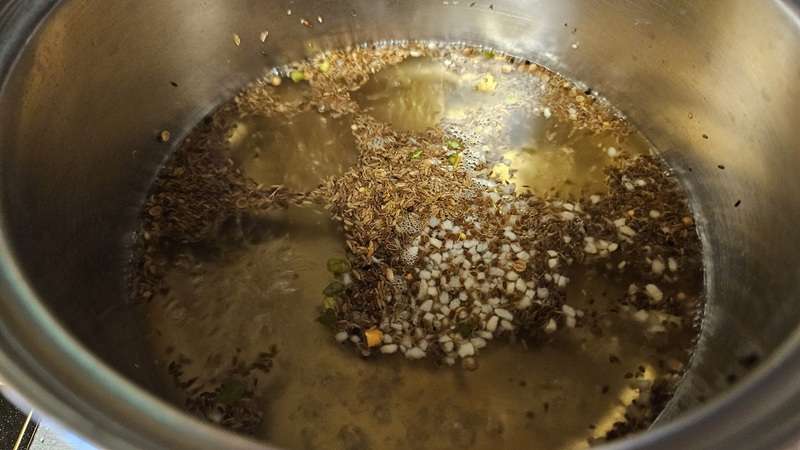
Stir well until the sugar is completely dissolved and the mixture comes to a rolling boil.
2. Pack Your Jar
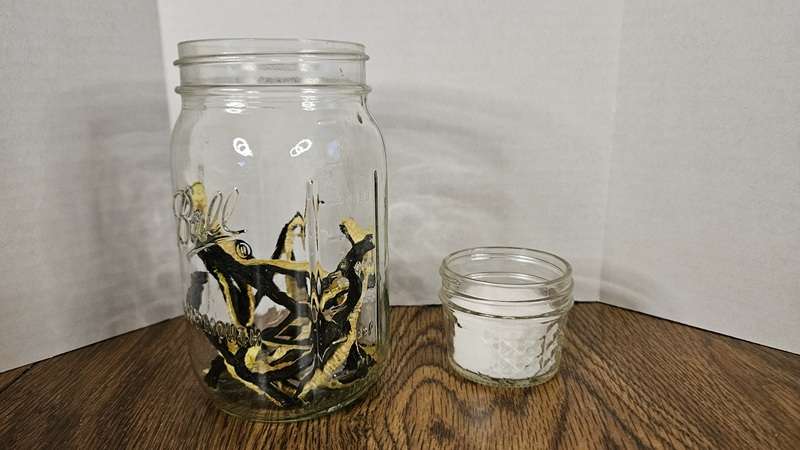
Place the dehydrated cucumber spears vertically into a sterilized quart jar. I was able to fit 16 comfortably. In fact, they were more than “comfortable.” There was a ton of space inside. My hope was that they would expand to their pre-dehydration size and fill the jar. (More on that later.)
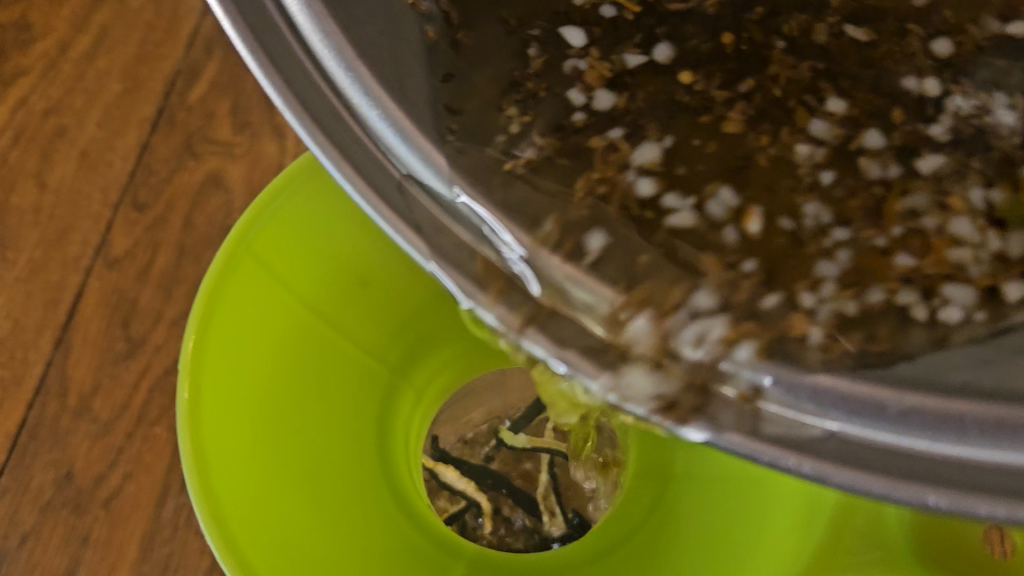
Pour the hot brine over the cucumbers. In my case, the original brine only filled the jar halfway. To make sure the cucumbers would be completely covered once they rehydrated, I made an extra batch of brine using the same ratios of water and vinegar—plus more pickling salt to add the next day. I didn’t double the spices, as I felt the original amount was enough.
3. Refrigerate, Then Add Salt
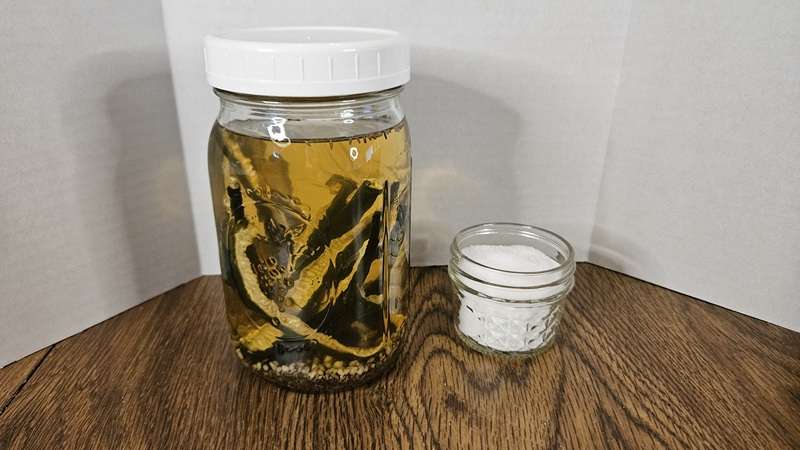
This part is easy to miss, so here’s a big reminder:
⚠️ Important: Don’t add the pickling salt right away! Wait until the jar has cooled and been refrigerated for 24 hours, then add the pickling salt. Shake the jar to distribute the salt, and return it to the fridge.
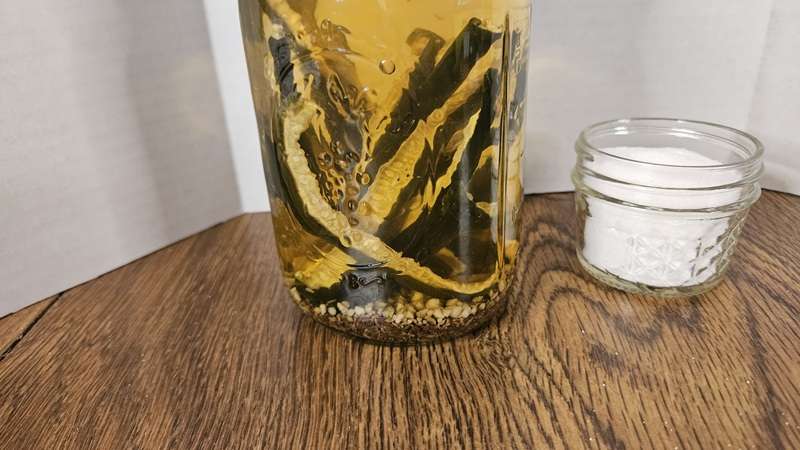
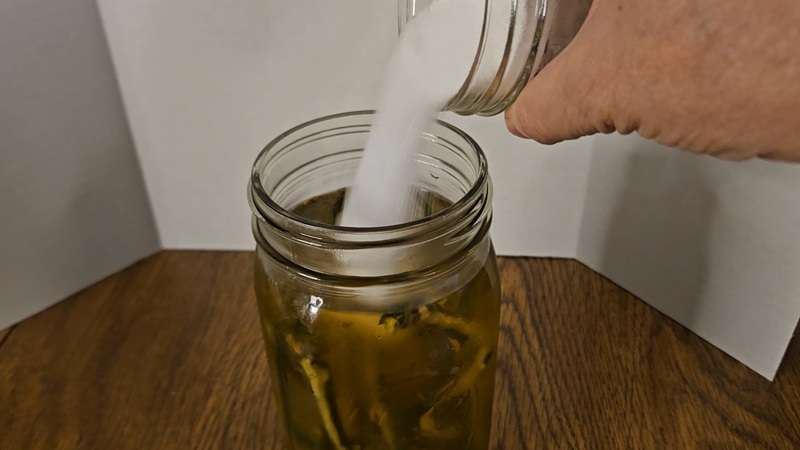
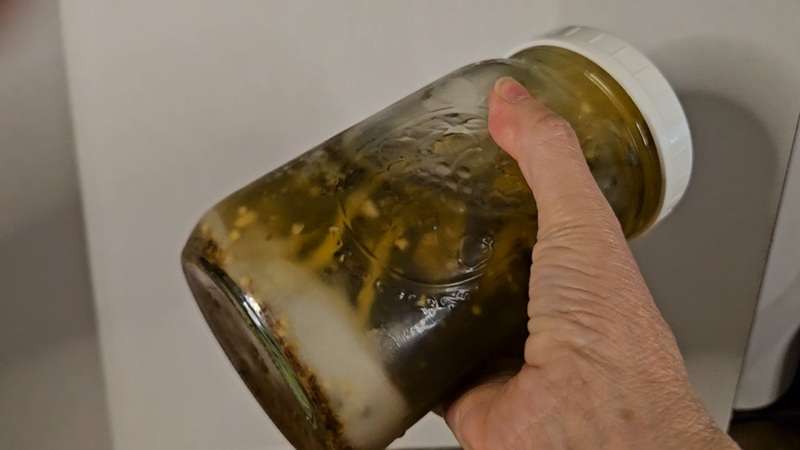
After just another hour in the fridge, the pickles are ready to enjoy!
Taste Test & First Impressions
To be honest, I was pretty disappointed in how these pickles turned out. Now this doesn’t mean that I will never make refrigerator pickles from dehydrated cucumbers again . I think they have promise, for sure. But I will make the following changes in the way that I make them.
First, I will only cut the cucumbers in fourths rather than eighths. (Or as you’ll see below, I decided to use dehydrated cucumber slices instead, which worked better.) The cucumber spears simply didn’t rehydrate back to their fresh size – not even close. To get them more like canned pickle spears, they need to be thicker than I made them.
The Failed Dehydrator Pickles May be My Fault
Note that this may well have been my own fault with misunderstanding the instructions. The instructions in Tammy Gangloff’s book called for lengthwise slices, and when I think of cutting a cucumber lengthwise, I think of spears. So, it’s possible that the pickles would have turned out better if they were long slices rather than spears.
Second, these pickles didn’t have the pucker power that most dill pickles have. Note that in this dill pickle recipe, it calls for 4 cups of water and 3 3/4 cups vinegar, which is closer to a 50/50 split between water and vinegar. In addition to the “pucker power” aspect of pickles, the vinegar does play an important role in preservation, so I’d up the vinegar amount to more like 1 1/3 cups to bring it closer to the other pickle recipe I use.
Having said that, the taste was much better after adding the salt and letting them sit for another hour.
In terms of texture, they were indeed rather “crisp,” but not as crisp as I would have anticipated. Again, they had good “chew” to them, but didn’t have the satisfying crunch that I was hoping for.
My Second Attempt at Making Refrigerator Pickles with Dehydrated Cucumbers
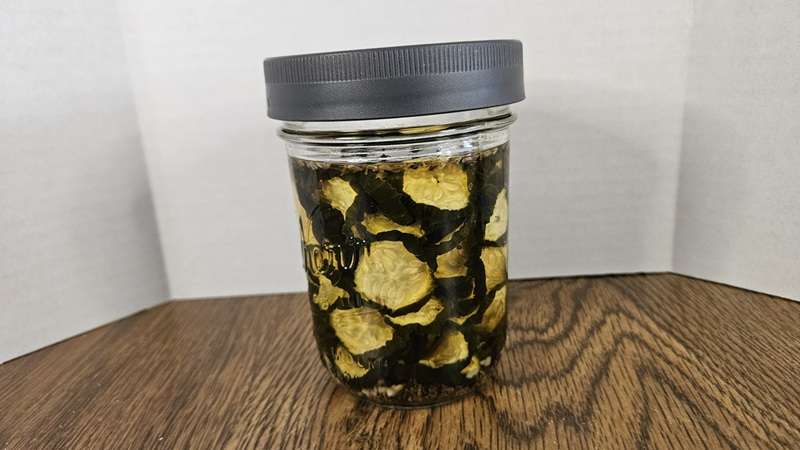
Rather than leaving you hanging, I decided to do a second attempt at making refrigerator pickles using dehydrated cucumbers. This time I decided to use dehydrated sliced cucumbers (which I already had on hand), and the same recipe that I used in making these pickles.
Since I’m experimenting, I decided to make just 1 pint of pickles. Here are the ingredients that I included:
- Black peppercorns
- Garlic
- Dill seed
- A brine made with water, white vinegar, and salt
- And of course dehydrated cucumbers – this time slices
Here’s the process:

Into each pint jar, add a few black peppercorns, 3/4 to 1 tablespoon of dill seeds, and 3/4 teaspoon minced garlic.
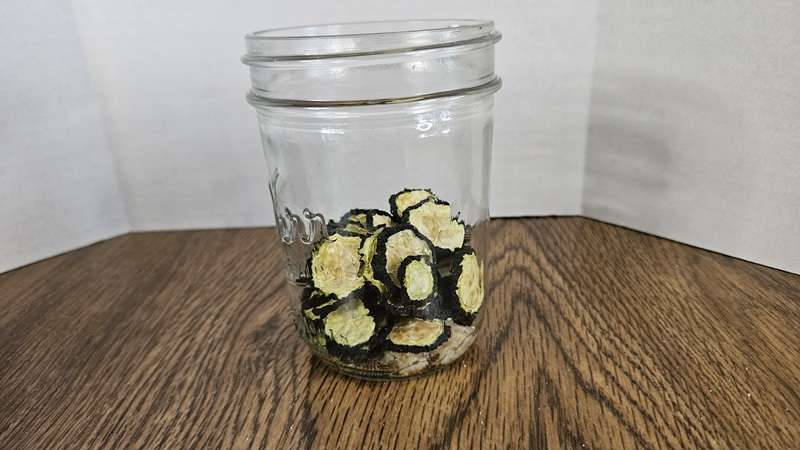
Next, add enough dehydrated cucumber slices to fill about 1/3 of the jar.
I then took 1 cup of water, 1 cup (minus 1 tablespoon) distilled white vinegar, and 1 tablespoon of pickling salt. I boiled the brine just until the salt dissolved, and poured the brine over the cucumber mixture.
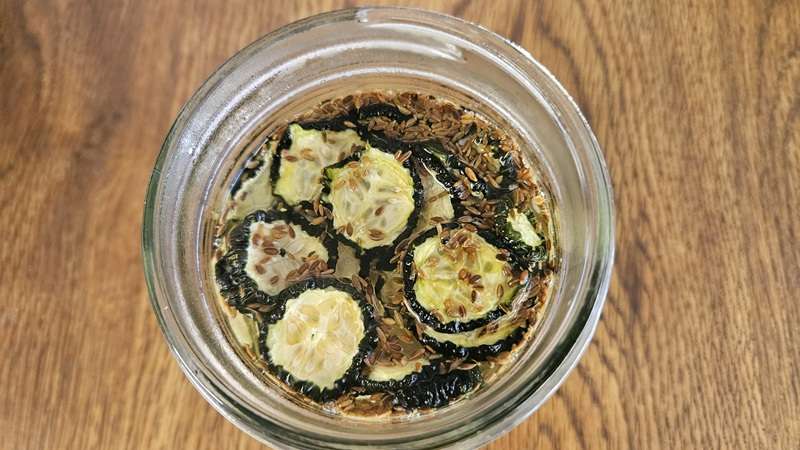
I put a lid on the jar, and allowed it to cool for about 45 minutes, before refrigerating.
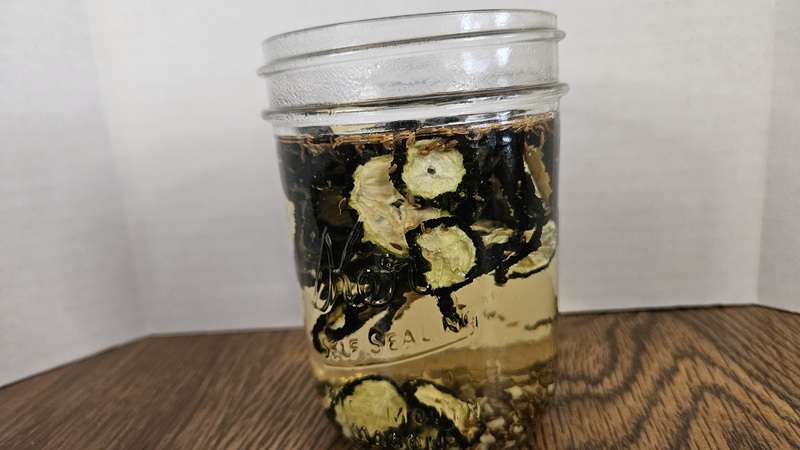
The Results

My second attempt at making pickles from dehydrated cucumbers worked much better. The slices rehydrated much better than the spears. Also, this is a personal preference thing, but I liked the brine recipe better with my second attempt. Since this is a matter of taste, you can experiment with different brines to find flavors you enjoy.
In terms of the texture, I would not call these pickles made from dehydrated cucumbers crispy or crunchy. I would call them chewy. On the plus side, the texture is much better than mushy pickles, which is often the result of canning pickles, and I do plan to make them again.
I also would like to try dehydrated coursely chopped cucumbers and using them to make pickle relish. I think that would turn out really well, so the next time I see cucumbers on sale, I plan to stock up and dehydrate more, specifically for making relish. When using dehydrated cucumbers, it’s super easy to make even a very small batch of relish, such as a half pint, which is something I love. You can do that, of course, with canning, but I feel that starting with dehydrated cucumbers and making quick pickles to be a much better option when doing super small batches.
Tips for Success
- ✅ Use enough brine: Dehydrated cucumbers will absorb a lot of liquid. Be prepared to make a little extra brine if needed. Brine ingredients are inexpensive, and it’s better to have more than what you need rather than run short.
- ✅ Sliced cucumbers work better than spears: If using spears, I recommend cutting cucumbers into thicker spears, but slices work better.
- ✅ Label your jar: Add a label with the date you made the pickles so you can keep track of freshness.
Final Thoughts
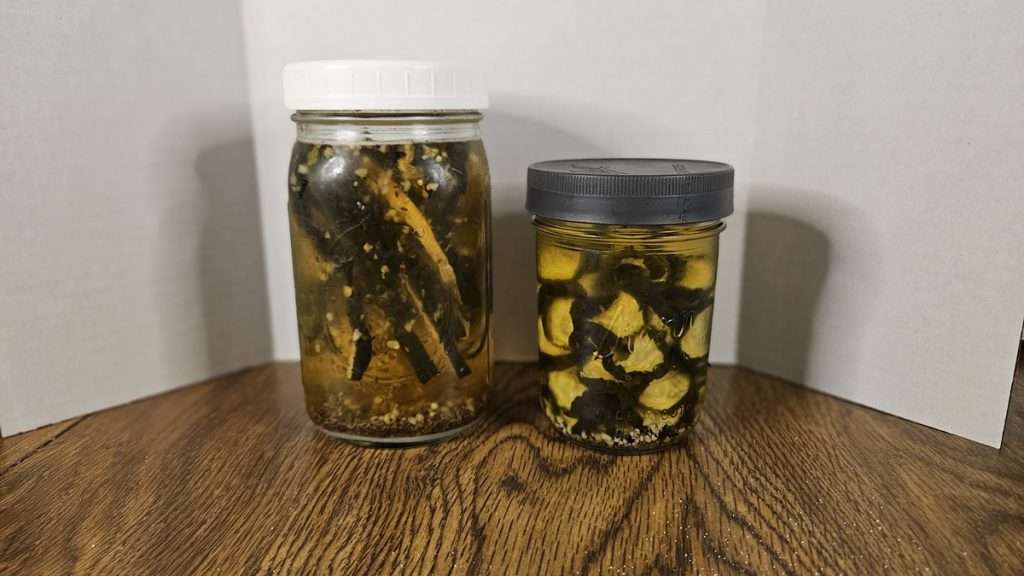
If you’re looking for a smart way to use your dehydrated cucumbers, I highly recommend giving this pickle recipe a try, with the changes I mentioned above. With minimal effort and a handful of pantry ingredients, you can create tangy, delicious refrigerator pickles from dehydrated cucumbers that will last you well beyond the next harvest season.
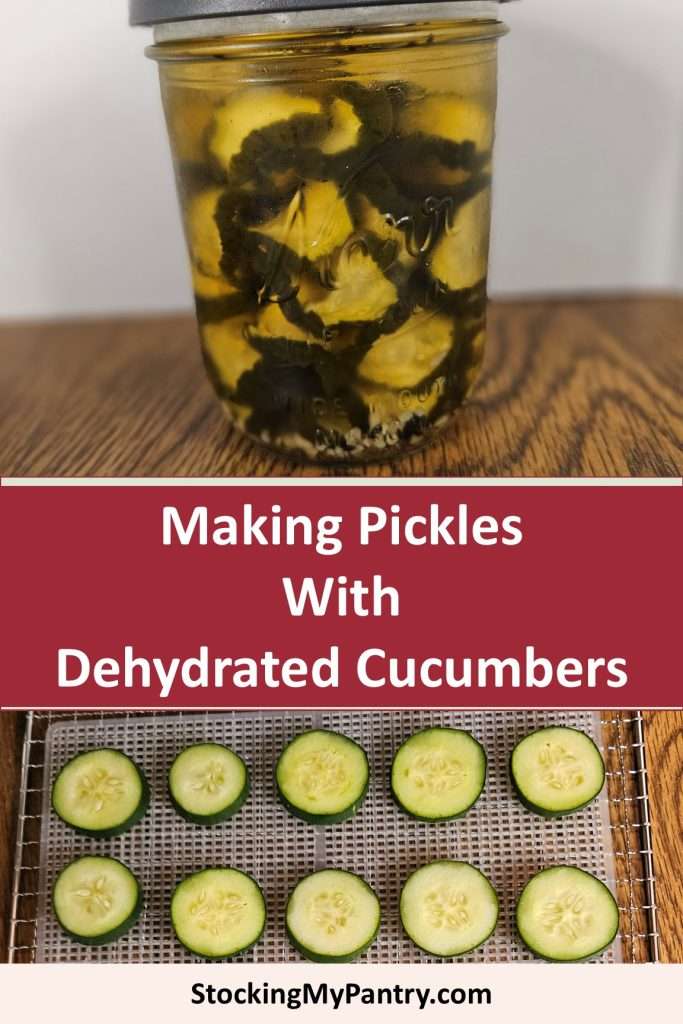
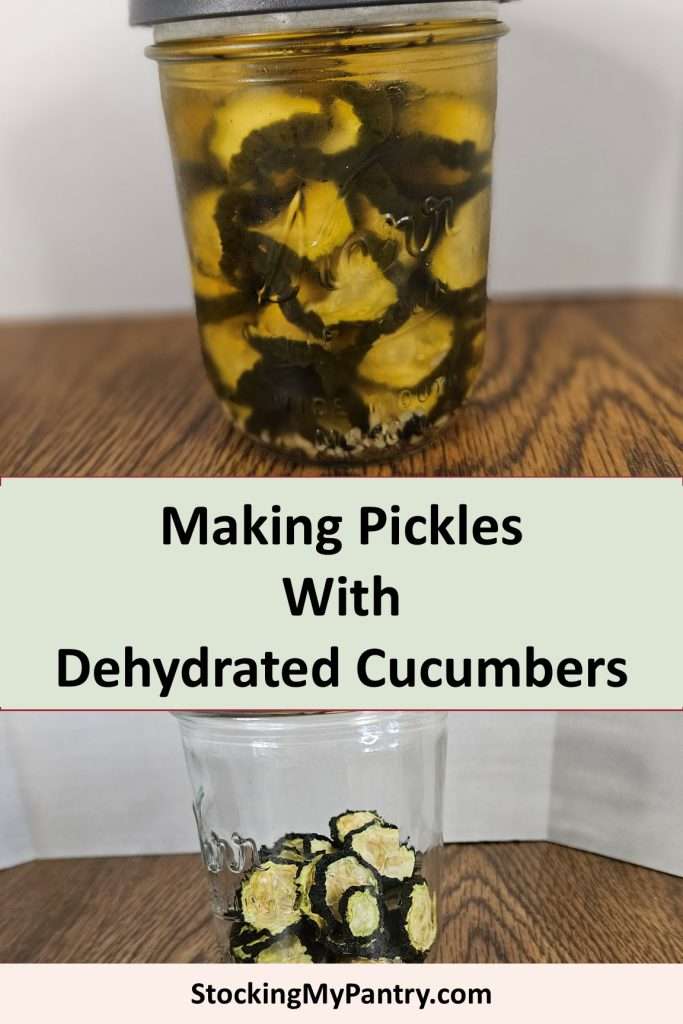
📌 Pin it for later
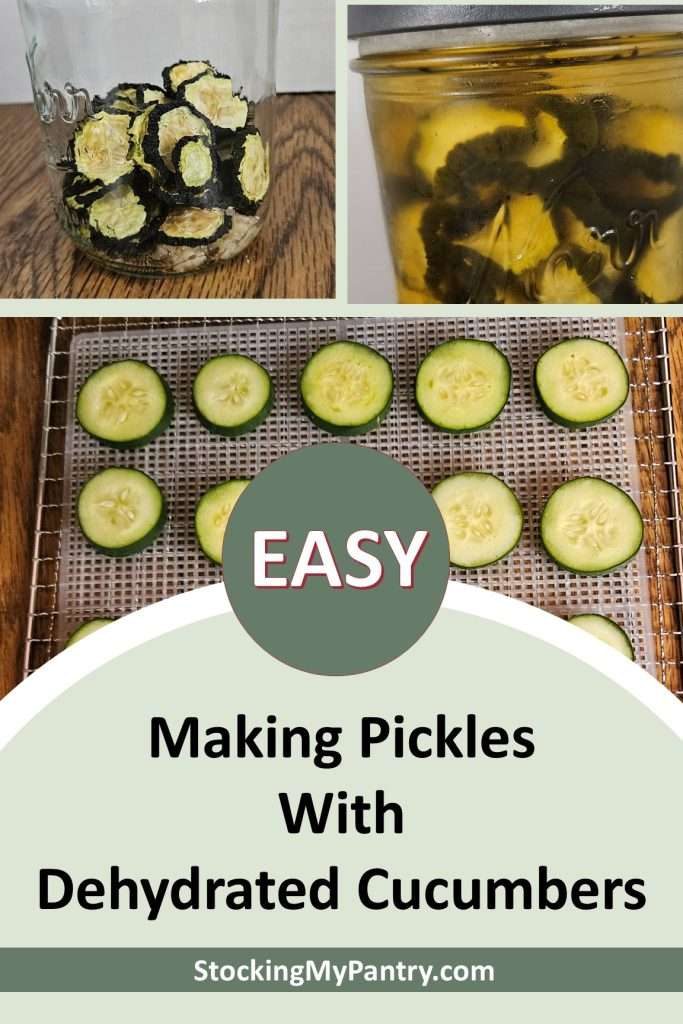

🥒 Want to dehydrate your own cucumbers? Check out my full tutorial here.
Easy Refrigerator Pickles from Dehydrated Cucumbers
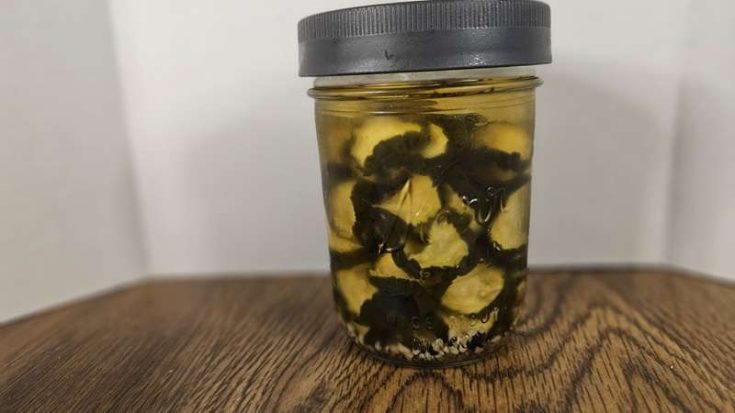
These small-batch refrigerator pickles made from dehydrated cucumber slices are tangy, chewy, and easy to make—no canning required. A great way to use your dehydrated cucumber stash and enjoy homemade pickles with a long fridge life.
Ingredients
- A few whole black peppercorns (optional)
- ¾ to 1 tablespoon dill seed
- ¾ teaspoon jarred minced garlic
- Dehydrated cucumber slices (enough to fill about ⅓ of a pint jar)
- 1 cup water
- 1 cup minus 1 tablespoon distilled white vinegar
- 1 tablespoon pickling salt
Instructions
Step 1: Add flavorings to the jar
In a clean pint jar, add a few black peppercorns (optional), ¾ to 1 tablespoon of dill seed, and ¾ teaspoon minced garlic.
Step 2: Add dehydrated cucumber slices
Fill the jar about ⅓ full with dehydrated cucumber slices.
Step 3: Make the brine
In a small saucepan, combine 1 cup water, 1 cup minus 1 tablespoon vinegar, and 1 tablespoon pickling salt. Heat just until the salt dissolves. You don't need a full boil.
Step 4: Pour brine over cucumbers
Carefully pour the hot brine into the jar over the cucumbers and flavorings. Use a canning funnel for easier pouring.
Step 5: Cool and refrigerate
Seal the jar, let it cool at room temperature for 30–45 minutes, then refrigerate. Pickles can be eaten after 24 hours, but flavor improves after a few days.
Notes
🧊 Storage:
Store in the refrigerator for up to 2 years. Flavor and texture improve with time.
📝 Notes:
Sliced dehydrated cucumbers work better than spears for texture and rehydration.
Feel free to experiment with other spices or brine recipes to suit your taste.
These pickles have a chewy texture—more pleasant than mushy canned pickles and ideal for small-batch preserving.
Recommended Products
As an Amazon Associate and member of other affiliate programs, I earn from qualifying purchases.


💬 I’d love to hear from you!
Have you tried this yourself? Have a question or tip to share? Leave a comment below — your experience or question could help someone else, too!