

If you’re looking for what to preserve in November and December, you’re in the right place!
There are two types of foods I like to watch for at this time of year: foods that are only available for a short season, and everyday foods that go on sale for surprisingly low prices.
Cranberries are a perfect example of the first category. Fresh cranberries are generally only available in grocery stores for a few months each year. If you want to enjoy them year-round, now is the time to stock up.
Potatoes, on the other hand, are available all year. But around Thanksgiving, grocery stores often have some fantastic sales on them. That makes late fall a great time to stock up, whether you plan to store them fresh, freeze them, can them, or dehydrate them.
Of course, what’s in season and what’s on sale depends on where you live. But November and December offer plenty of opportunities to add to your pantry without spending a fortune.
In this article, I’m sharing nine foods worth watching for during late fall and early winter, along with ways to preserve them so you can enjoy them long after the season has passed.
Cranberries: Stock Up While You Can

Of all the foods on this list, cranberries are probably the one I’d encourage you to pay the most attention to.
Unlike apples, potatoes, and most other produce, fresh cranberries have a relatively short season. Once they disappear from grocery stores, you may have to wait until the following fall to buy them again.
The good news is that cranberries are incredibly easy to freeze. You don’t have to spend hours in the kitchen preserving them as soon as you get home.
If you find a good sale, you can stock up, put them in your freezer, and decide what to do with them later.
Here are three ways to preserve cranberries:
- How to Freeze Cranberries — My favorite option for stocking up now and deciding what to make later.
- How to Can Cranberry Sauce — A great way to have homemade cranberry sauce ready whenever you want it.
- How to Make Cranberry Fruit Leather — Something a little different if you enjoy dehydrating.
And remember, cranberry sauce isn’t just for Thanksgiving! There’s no reason you can’t enjoy it throughout the year.
Apples: More Than Just Applesauce
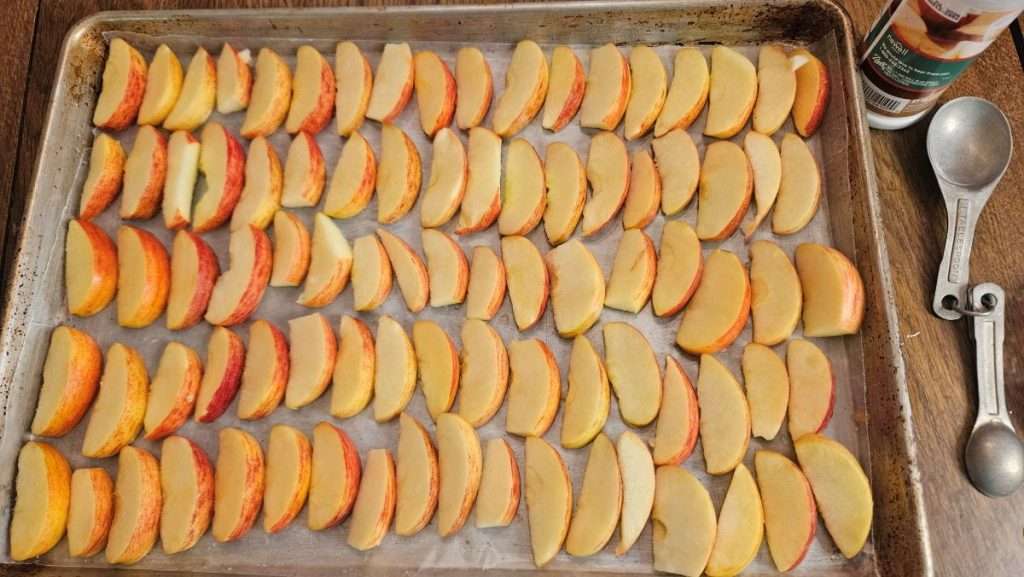
Apples are another food I like to watch for during the fall.
While you can buy apples year-round, the fall harvest often brings better prices and a wider variety of apples to choose from.
And apples are one of the most versatile fruits to preserve.
One of the easiest methods is freezing. If you don’t have the time or desire to can or dehydrate a large quantity of apples, freezing them gives you another option.
Check out my article, How to Freeze Apples.
I also enjoy dehydrating apples. Plain dehydrated apples are great for snacking, oatmeal, and granola. But if you’re in the mood for something a little sweeter, you might enjoy my dehydrated cinnamon sugar apples.
Another option is canning apples in syrup. These are handy to have in the pantry for desserts, breakfast toppings, or simply eating as a side dish.
And if you happen to have a Ball Jam and Jelly Maker, you might enjoy making apple pie jam.
With so many possibilities, it’s not hard to find a way to use a good deal on apples!
Potatoes: Take Advantage of Holiday Sales
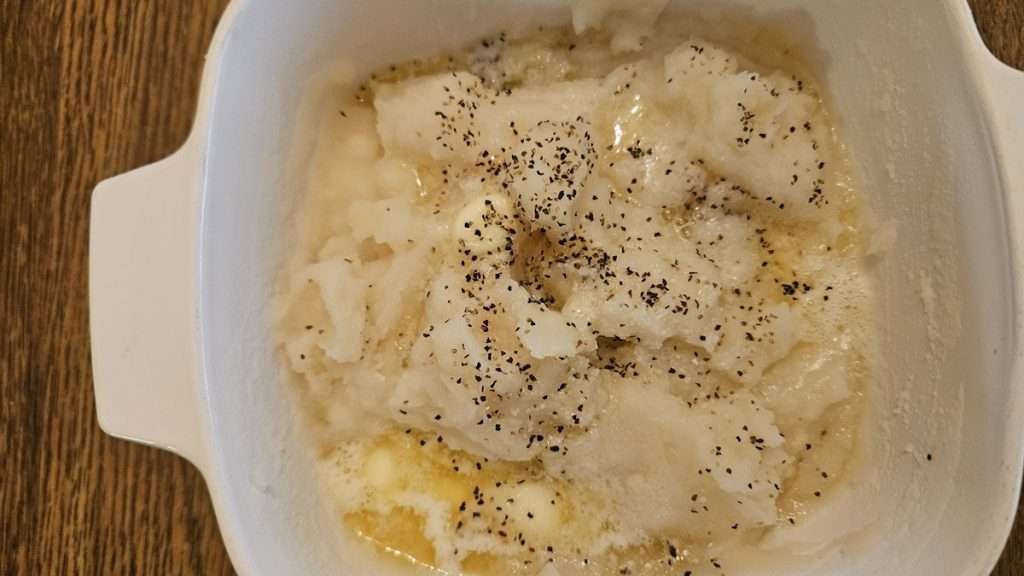
Potatoes are one of those foods that don’t necessarily come to mind when we think about seasonal food preservation.
After all, you can buy potatoes any time of year.
But have you noticed how inexpensive they can be around Thanksgiving? Grocery stores sometimes offer large bags of potatoes at prices that are hard to pass up.
Of course, buying a big bag of potatoes isn’t a bargain if half of them go bad before you can use them.
Fortunately, there are quite a few ways to preserve potatoes.
I’ve already written a roundup covering six or more ways to preserve potatoes, including freezing, canning, and dehydrating. Rather than repeat all that information here, I’ll point you toward that article.
One of my favorite methods is dehydrating potatoes. Dehydrated potatoes take up much less storage space than fresh potatoes, and they’re convenient to have on hand for future meals.
I’ve also experimented with dehydrating mashed potatoes, which is another interesting option if you enjoy making your own convenience foods.
You don’t necessarily have to preserve every potato you buy, either. With proper storage conditions, fresh potatoes can keep for quite a while.
The important thing is to have a plan for using or preserving them before they start to deteriorate.
Sweet Potatoes: A Fall Favorite Worth Preserving
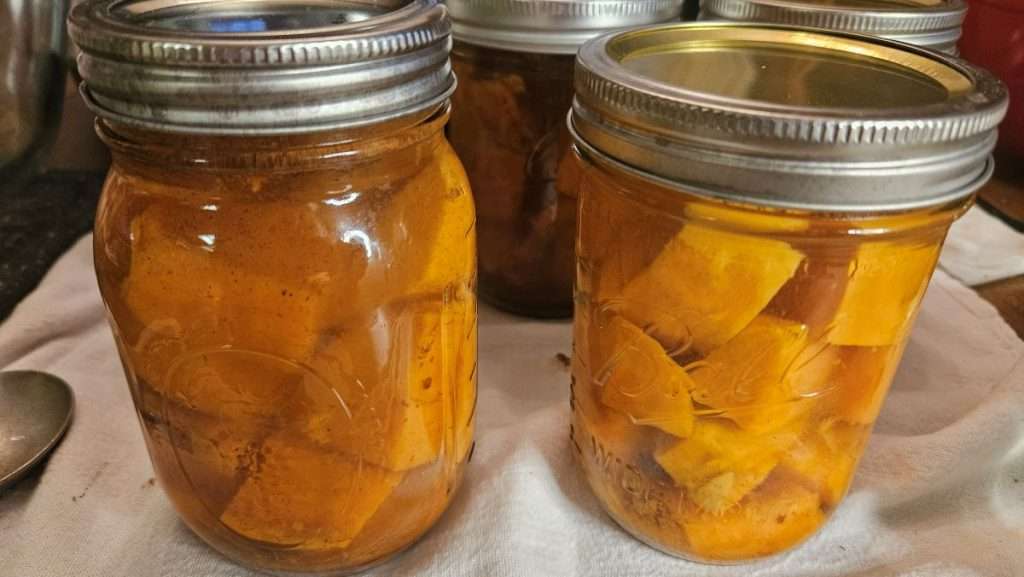
Sweet potatoes are another food that often goes on sale during the fall holidays.
While they’re commonly associated with Thanksgiving, sweet potatoes are delicious year-round.
And if you’ve ever purchased a large quantity because the price was too good to pass up, you know it’s helpful to have a preservation plan.
One option is pressure canning.
In my article on how to can sweet potatoes in cinnamon syrup, I share a way to preserve sweet potatoes so they’re already cooked and ready to use.
The cinnamon syrup makes them especially nice for fall and winter meals, but there’s no reason to limit them to the holidays.
And if you don’t want to can sweet potatoes, freezing is another possibility.
Sweet potatoes also store relatively well under appropriate conditions, so you may not need to preserve everything immediately.
Pumpkin: Don’t Overlook the Canned Stuff

When we think about fall produce, pumpkin naturally comes to mind.
But here’s something worth considering: you don’t necessarily have to start with fresh pumpkin to take advantage of fall bargains.
Canned pumpkin often goes on sale during October and November.
Since canned pumpkin is already shelf-stable, you can purchase it while the price is low and store it in your pantry without doing any additional work.
That’s a big advantage when you’re busy!
However, if you’re short on storage space or want smaller amounts of pumpkin available for recipes, dehydrating canned pumpkin is another option.
In my article on how to dehydrate canned pumpkin, I share my experience drying pumpkin purée and turning it into powder.
Pumpkin powder can be convenient when you need just a small amount for something like oatmeal, pancakes, or soup.
And because you can purchase the canned pumpkin first and work on dehydrating it later, there’s no need to rush into another kitchen project just because something is on sale.
Don’t Forget About Fall and Winter Vegetables
So far, we’ve focused primarily on foods associated with holiday cooking and seasonal bargains.
But there are several other vegetables worth considering during November and December, depending on what’s available and reasonably priced in your area.
Carrots

Carrots are useful in so many meals, especially during the colder months when soups and stews are popular.
They’re also one of my favorite vegetables to dehydrate.
I like having dehydrated carrots on hand because they take up so little space and are easy to add to soups and other cooked dishes.
If you prefer canning, you can also check out my article on pressure canning carrots. And if you’d like to try carrots with a little twist, give canning honey-ginger carrots a try.
Either way, preserving carrots is a practical way to make meal preparation easier later.
Cabbage
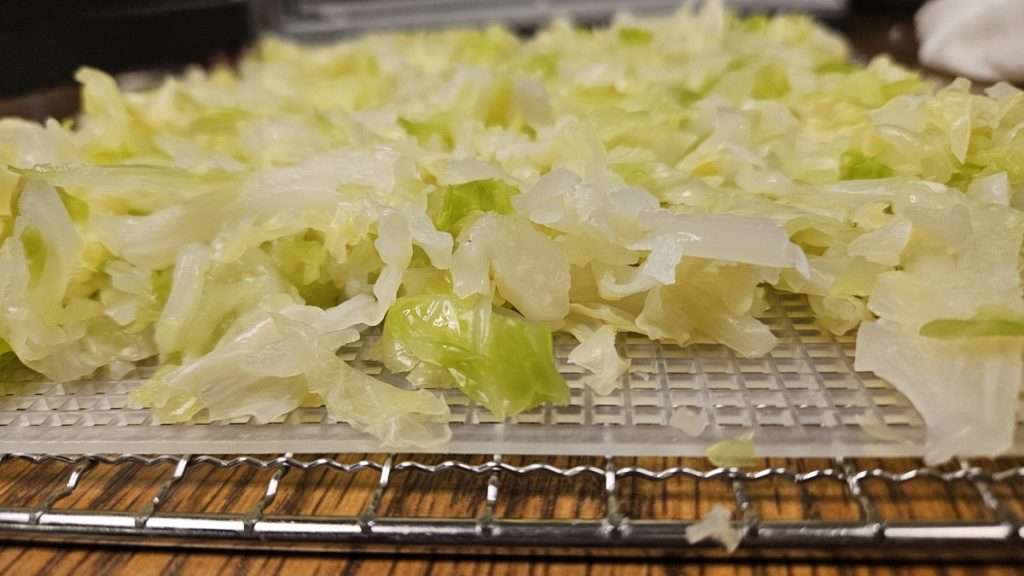
Cabbage is another vegetable worth watching for when grocery stores have good sales.
One of the things I like about cabbage is that there are several very different ways to preserve it.
For example, if you enjoy fermented foods, you might want to try making old-fashioned sauerkraut.
Another option is freezer slaw, which is a great way to prepare a side dish ahead of time. If your family is anything like mine, you’ll be surprised how fresh frozen slaw tastes!
You can even dehydrate cabbage for use in soups, casseroles, and other cooked meals.
Which method makes the most sense really depends on how you plan to use the cabbage later.
Broccoli

Broccoli is another vegetable I like to have available for soups and other cooked dishes.
If you find broccoli at a good price, or have more than you can use while it’s fresh, consider dehydrating it.
My article on how to dehydrate broccoli walks you through the process.
One of the things I appreciate about dehydrating vegetables is that it allows me to keep quite a variety of foods on hand without filling up my freezer.
And during the colder months, having vegetables ready to add to a pot of soup is especially convenient.
Oranges: Citrus Season Is Just Beginning

While many of the foods we’ve discussed are associated with fall, oranges are a nice reminder that winter brings its own seasonal produce.
In many areas, citrus season starts picking up during late fall and continues through winter.
That makes November and December a good time to start watching for orange and mandarin sales.
If you find a good deal on oranges, there are several ways to preserve them.
Freezing oranges is one option, especially if you want to use them later in smoothies or other recipes where their texture isn’t as important.
You can also dehydrate citrus. This is one of my favorite ways to preserve citrus, and dried slices are useful for more than just snacking.
If you enjoy mandarin oranges, I’ve also shared my experience canning mandarin oranges.
As with everything else on this list, the best preservation method depends on how you plan to use the finished product.
A Few Things to Consider Before Stocking Up
One of the easiest mistakes to make when building a pantry is buying something simply because it’s inexpensive.
I’ve found that a good bargain isn’t necessarily a good bargain if you don’t have the time, space, or desire to use it.
Before stocking up, here are a few things worth thinking about.
Will you actually use it?
This might seem obvious, but it’s easy to get excited about a sale. Even if something is incredibly inexpensive, there’s no point in filling your pantry with food your family doesn’t enjoy.
How will you preserve or store it?
Some foods, such as potatoes and sweet potatoes, can be stored fresh for a while under the right conditions.
Others, such as fresh cranberries, are worth freezing fairly quickly if you aren’t going to use them.
And some foods, such as canned pumpkin, are already shelf-stable, so you can take advantage of the sale without creating additional work for yourself.
Do you have the time and space?
I love dehydrating because it allows me to store a lot of food in a relatively small space.
But I also recognize that sometimes the freezer is the quickest and easiest option.
There’s no reason you have to can everything, dehydrate everything, or freeze everything.
A combination of preservation methods often makes the most sense.
And when home canning, always use a tested recipe and the appropriate processing method for the food you’re preserving.
Making the Most of Late Fall Grocery Bargains
November and December can be wonderful months for adding to your pantry.
Between seasonal produce and holiday grocery sales, there are plenty of opportunities to buy foods at reasonable prices and preserve them for later.
But you don’t have to preserve all nine foods on this list.
Maybe you find a fantastic deal on potatoes and decide to dehydrate a few batches. Or perhaps you buy several bags of cranberries and put them straight into the freezer.
Even preserving one or two foods can make a difference.
The goal isn’t to fill every shelf or take on more kitchen projects than you have time for. It’s to make good use of the opportunities available to you and gradually build a pantry filled with foods you’ll actually eat.